
Tag
citations
23 posts tagged citations.
-
Is the 'world's top 2% scientists' list measuring merit or geography?
A 2025 Journal of Informetrics study of Stanford's 'World's Top 2% Scientists' list in legal studies finds it tracks a US postal code about as closely as it tracks merit.
-
Your preprint is live. That is not the same as being read
Preprints are linked to roughly 36% more citations and 49% more online attention, but those studies are observational. Here is why posting is not the same as being read, and what actually closes the gap: findability.
-
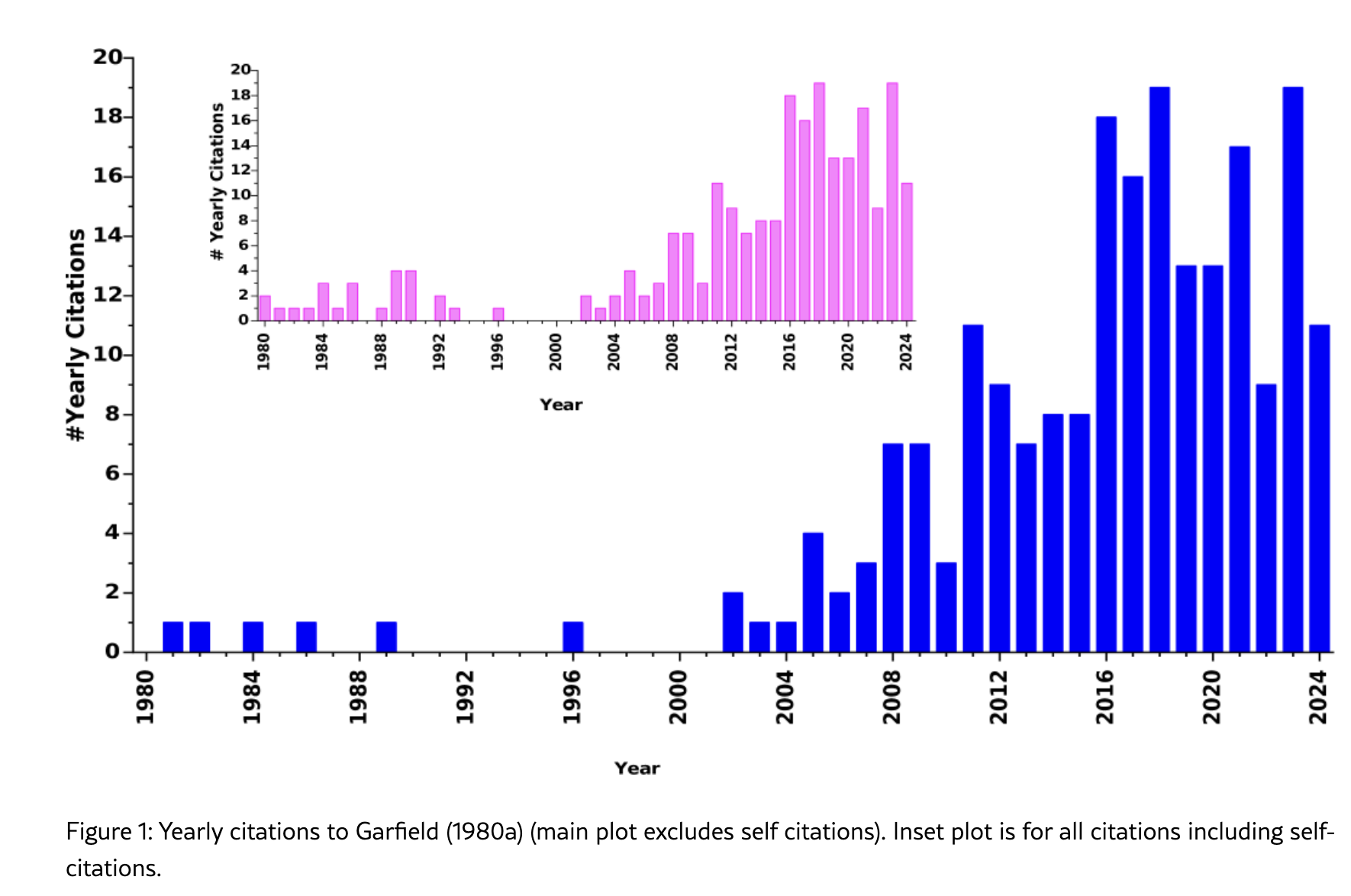
The man who studied delayed recognition, and then suffered it
Eugene Garfield coined 'delayed recognition' for papers the world ignores for years. A 2025 preprint shows his own paper on it sat almost uncited for 28 years.
-
Is your hot streak also your most disruptive streak?
A 2025 study of 21,271 economists finds papers published during a researcher's hot streak are also more disruptive, and the boldest work tends to arrive years before the most-cited work.
-
Small teams disrupt? Maybe it was never about size
A new arXiv preprint argues that collaboration synergy, not team size, drives disruptive science, revisiting the well-known 'small teams disrupt, large teams develop' finding.
-
Is science really running out of disruption?
A 2026 Research Policy paper argues the famous 'science is becoming less disruptive' finding measures the wrong thing, especially in the social sciences.
-
Email the people whose work you cited
Every paper ships with a built-in list of 30 to 60 people who already care about your topic: the authors you cited. Almost nobody emails any of them. Here is how, and the template to do it.
-
Best Platforms to Track Research Impact
Compare the best platforms to track research impact, from traditional citation trackers to real-time altmetric engines and proactive distribution systems.
-
How Researchers Can Increase h-index Faster
Learn how to increase your h-index faster using a targeted distribution strategy that focuses directly on your publication tipping points.
-
Post the preprint
Preprints get cited earlier and, in many fields, more. The reflex to wait until acceptance is quietly costing you citations. Here is how to stop, and the version cadence that turns one paper into three citation events.
-
15 Ways Researchers Can Improve Citation Rates
Discover 15 actionable, data-backed ways researchers can improve their citation count, build academic visibility, and optimize post-publication distribution.
-
How AI Can Increase Academic Citations
Discover how AI-powered research distribution and Generative Engine Optimization (GEO) can dramatically increase your academic citations and h-index.
-
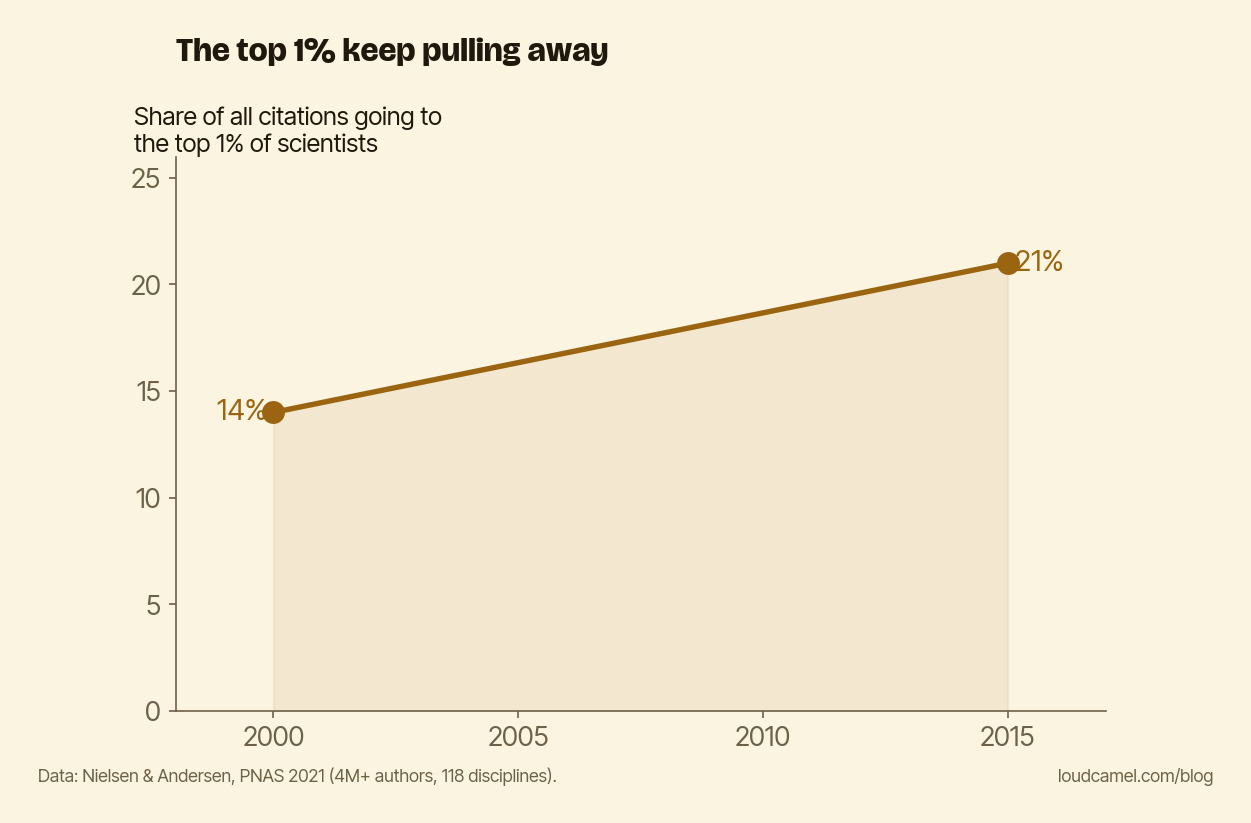
Citation inequality is widening, which is why 'above average' isn't the target
By 2015 the top 1% of scientists captured 21% of all citations, up from 14% in 2000. As attention concentrates, being good enough guarantees nothing. Here is why deliberate visibility matters more every year.
-
Altmetrics vs Citations: What Matters More?
Altmetrics vs citations: what each one measures, how skewed altmetric attention really is by field, how funders read it, and how to optimize for both.
-
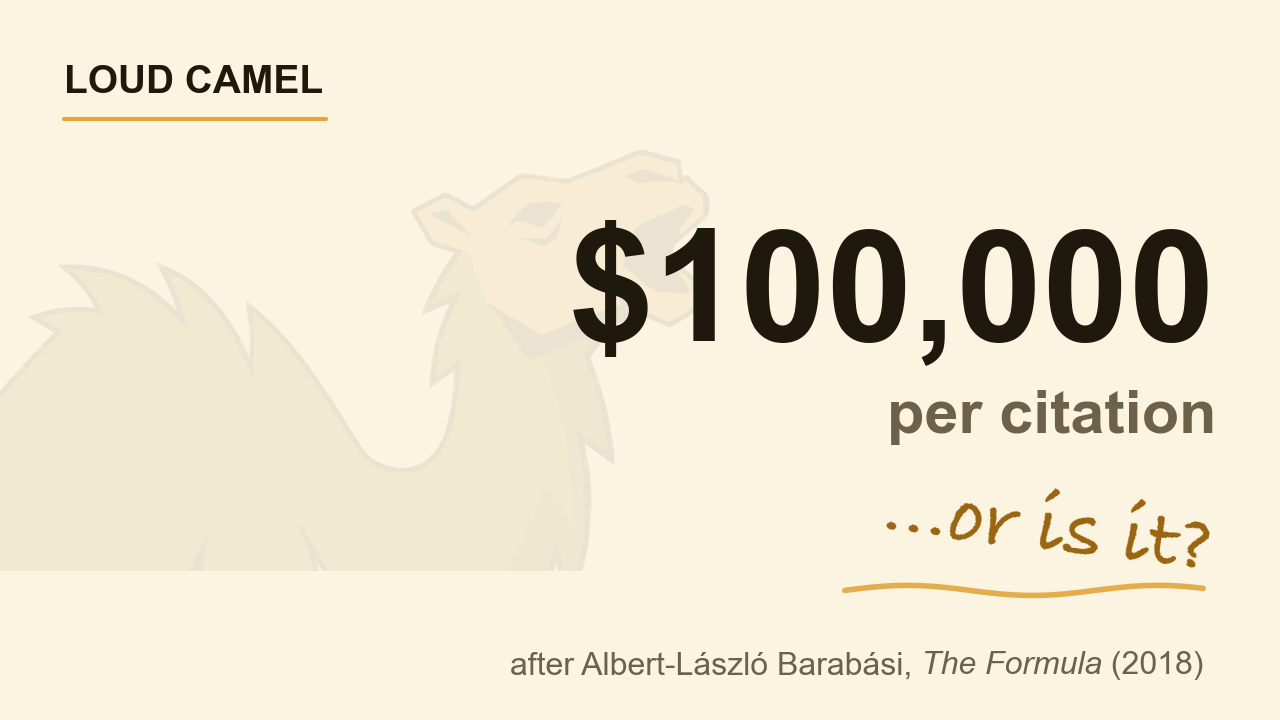
Where is my $400,000?
Barabási's The Formula prices a citation at about $100,000. That number is an average over a power-law distribution, so most citations are worth far less and a few are worth fortunes. What your next citation is worth depends on where you sit.
-
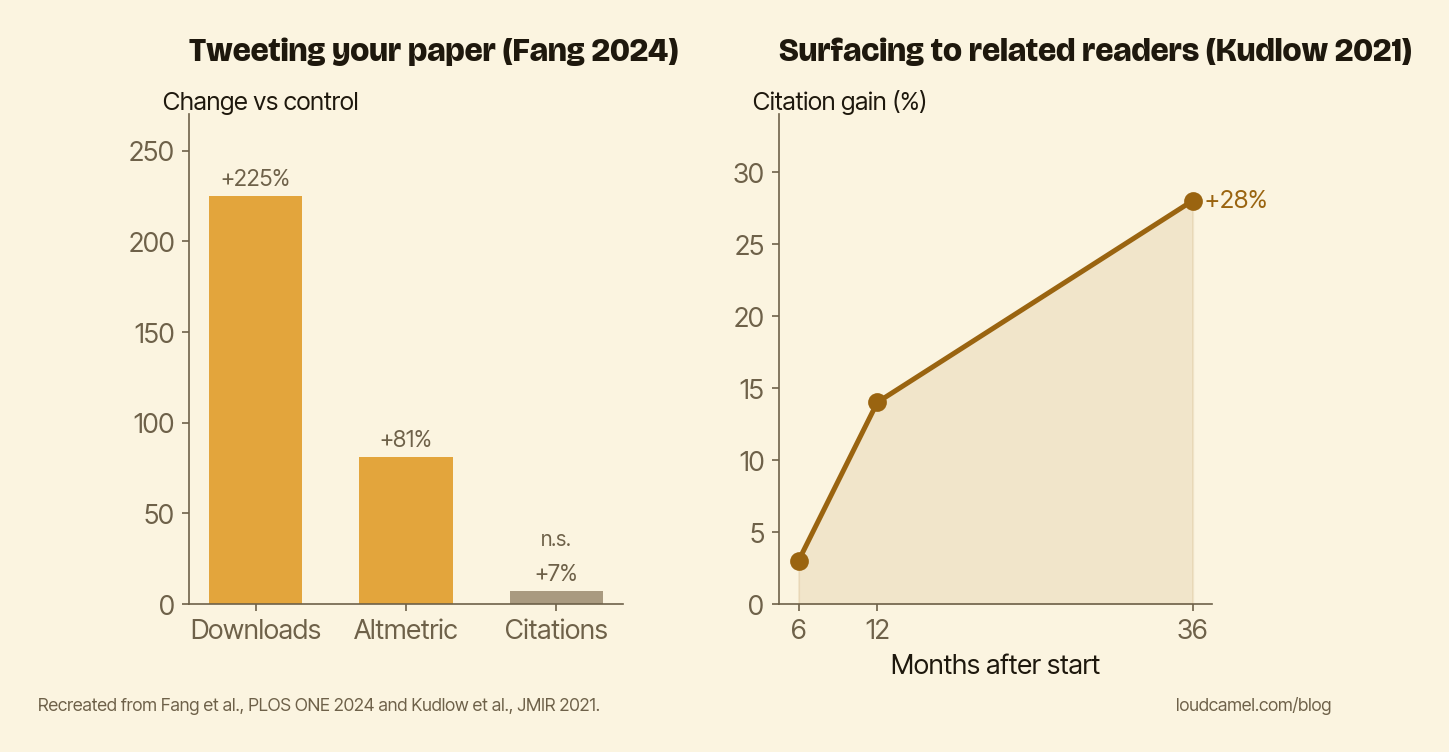
Findability isn't spray-tweeting: the honest case for promoting your work
A 2024 randomized trial showed that tweeting your paper buys downloads, not citations. So here is the honest version of the case for promotion: be findable, don't broadcast.
-
Google Scholar SEO: How Researchers Get Found
Learn how Google Scholar SEO works and how researchers can optimize papers, citations, and metadata for better discoverability.
-
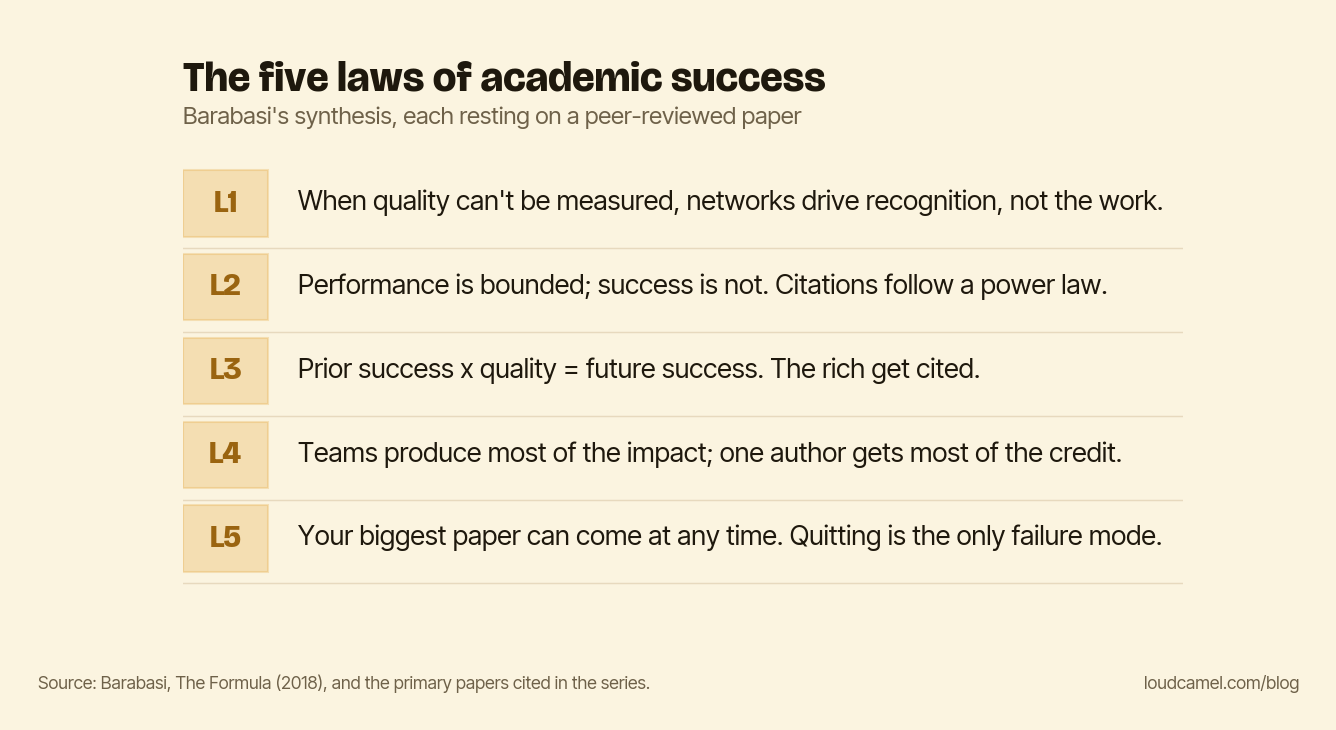
How academic careers actually work
Nobody trains you for the half of academic work that decides your career: making sure the right people know your work exists. Here is why that is a feature of the system, not a bug, and the fourth way to respond to it.
-
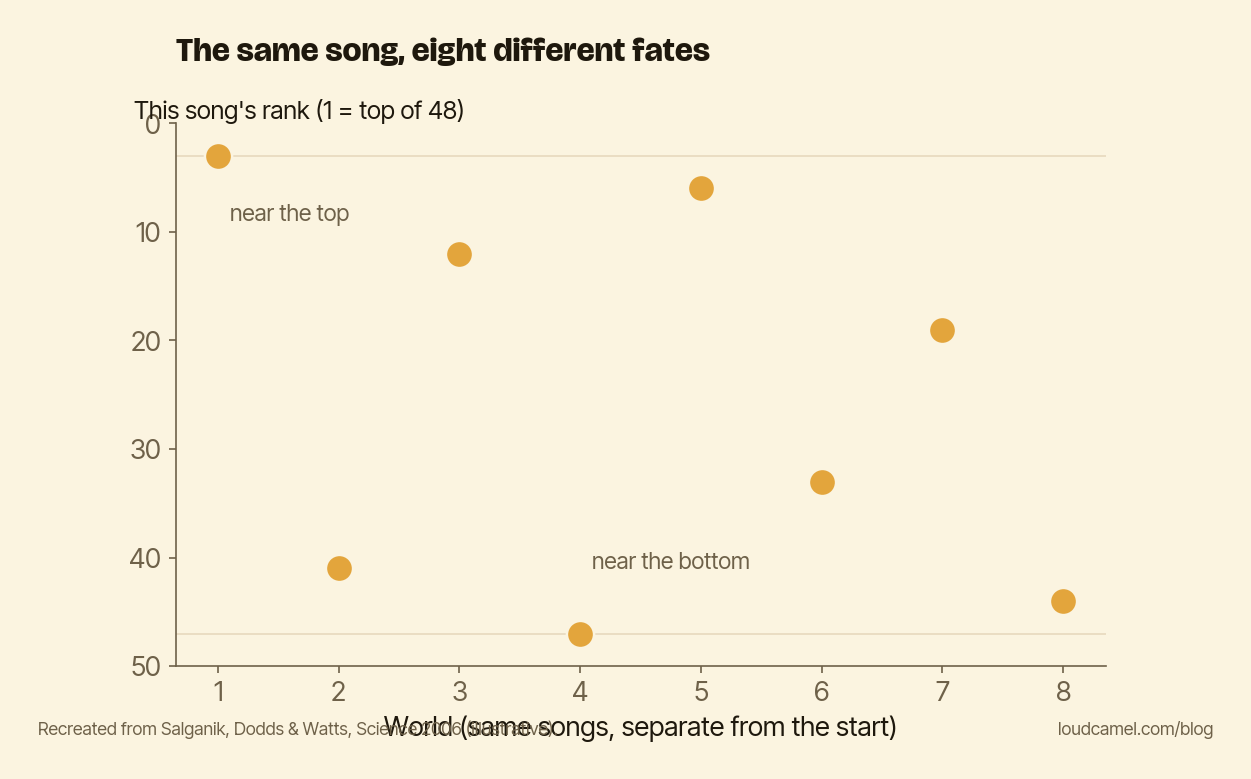
Same song, different universe: what a music experiment says about your citations
A 2006 music experiment ran the same songs through eight parallel worlds. The same track was a hit in one and a flop in another. Here is what that says about why some papers get cited and others vanish.
-
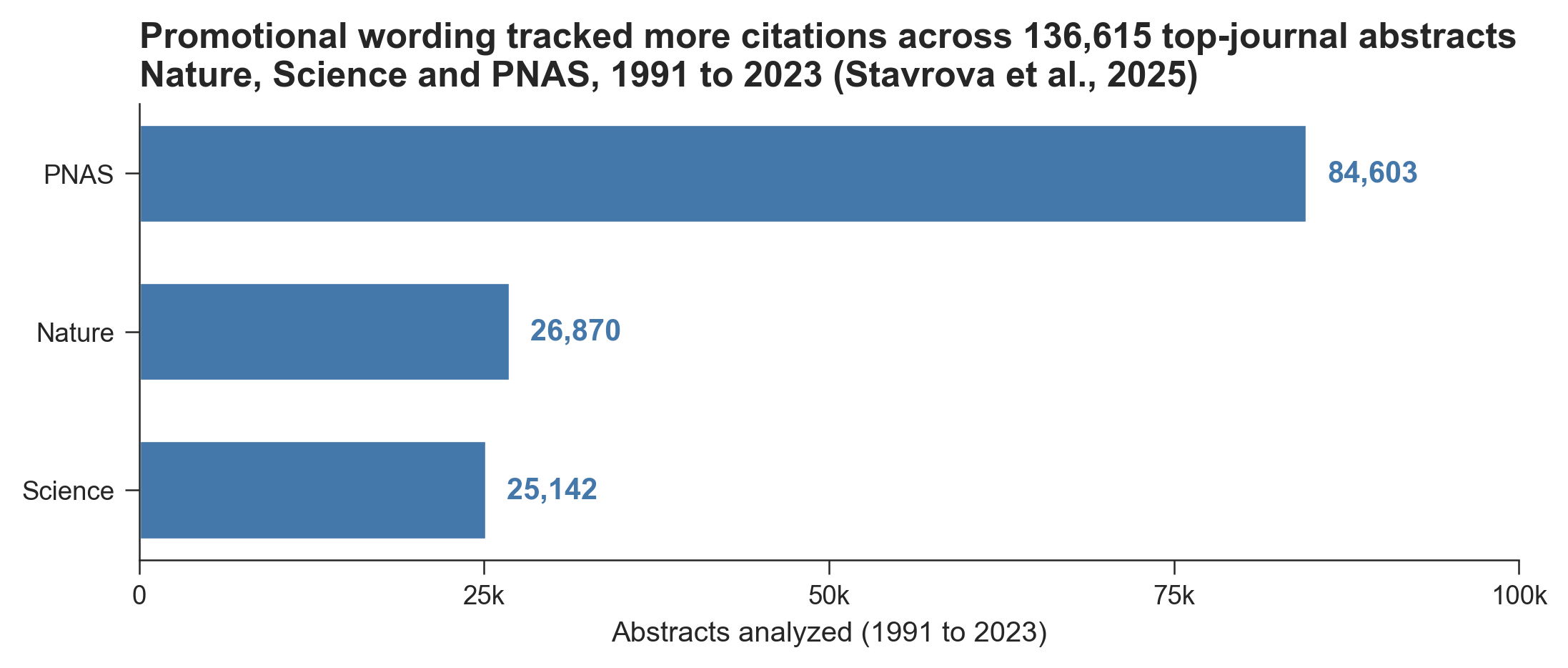
Why the wording of your abstract affects how often you get cited
A 136,615-paper study found that abstracts with more promotional language drew more citations, views, and media coverage — even within Nature, Science, and PNAS.
-
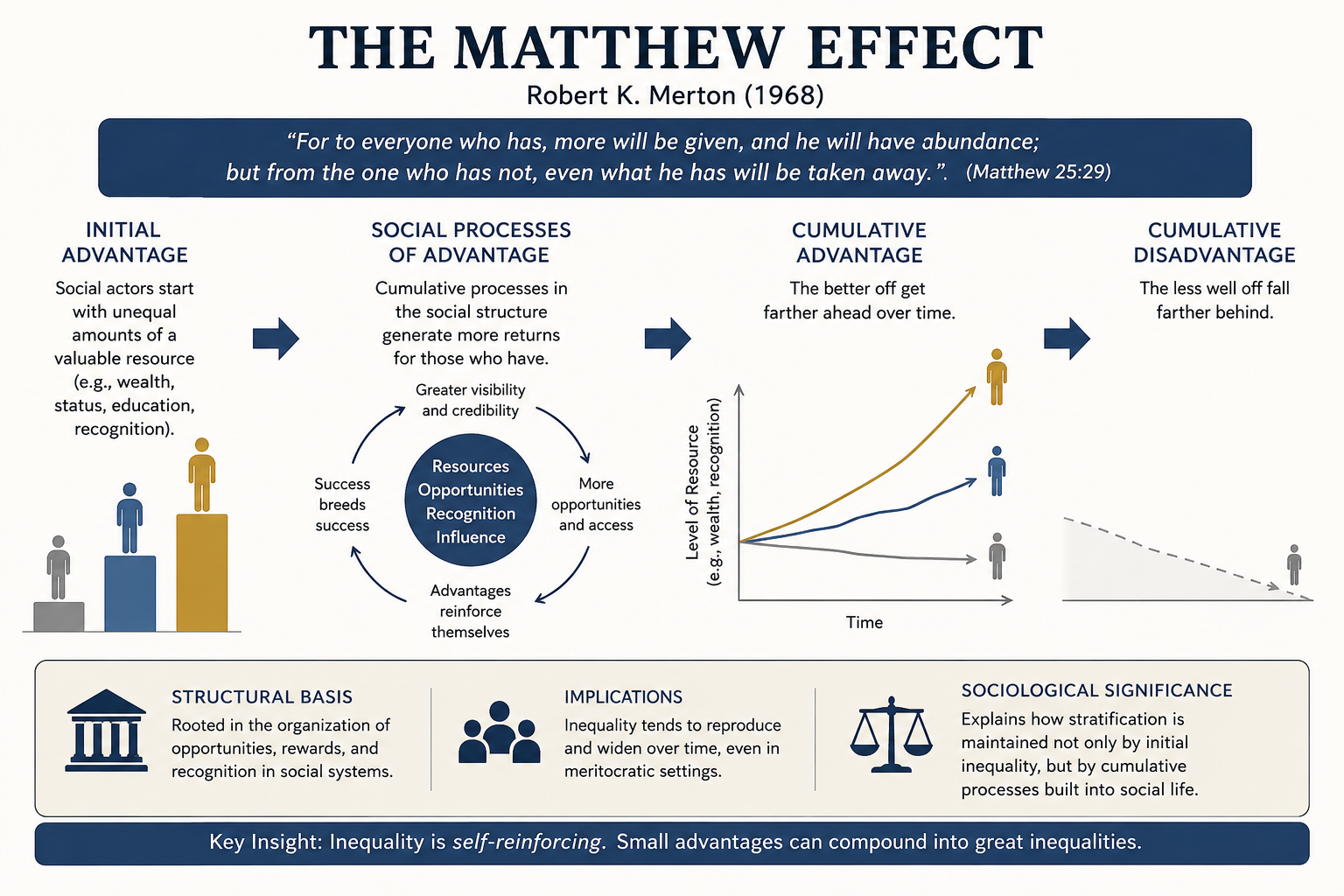
LLMs sharpen the Matthew effect in citations
LLMs asked to suggest references favor already-highly-cited papers, reproducing the Matthew effect in citations. Treat the first references a model suggests as a starting list, not the final one.
-
An Illustrated Guide to Academic Publishing
An illustrated story of how a paper is born — and why, among five million papers a year, most are read by almost no one. The problem is rarely quality; it is visibility.
-
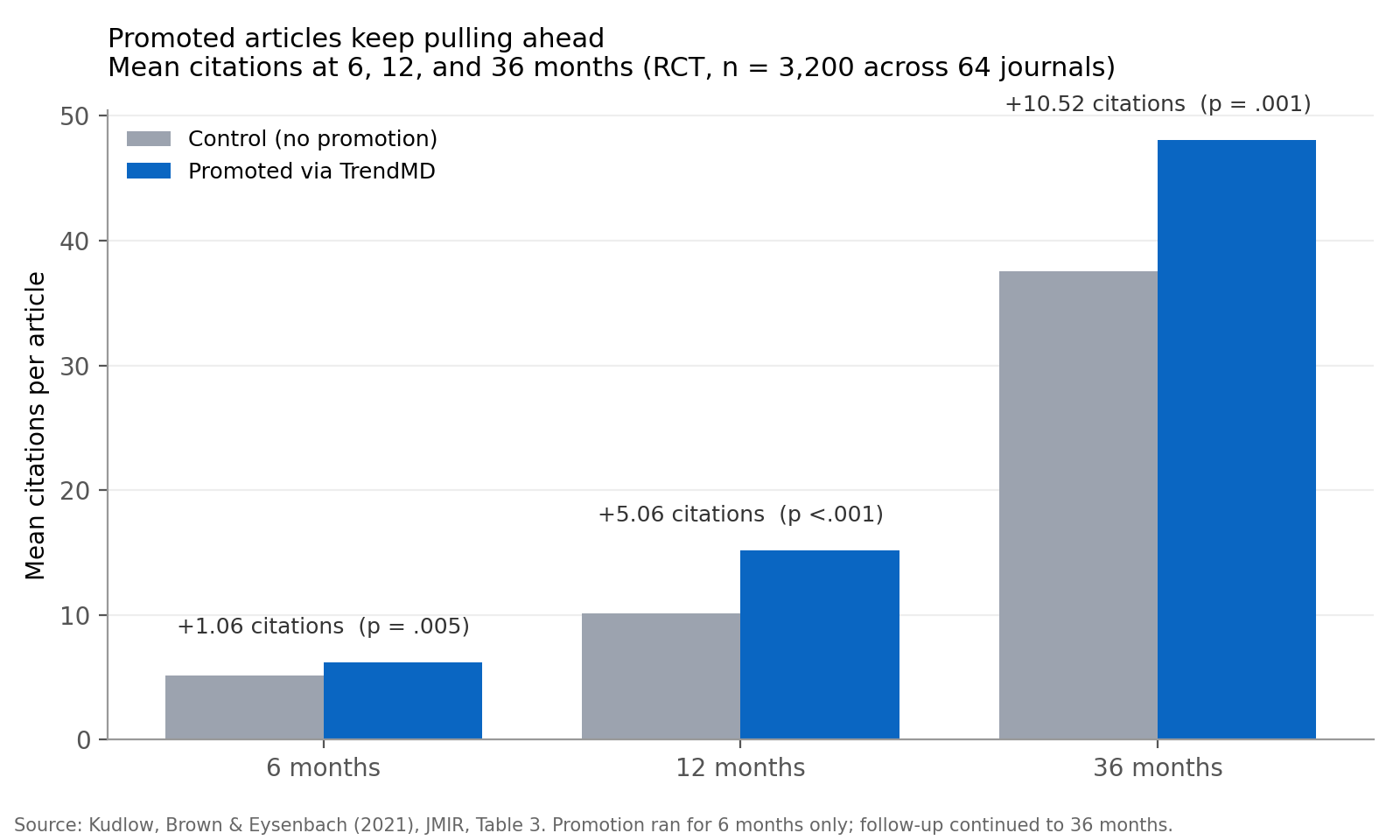
Promoted papers keep pulling ahead: what the Kudlow RCT looks like at 36 months
A randomized controlled trial (Kudlow, Brown & Eysenbach, JMIR 2021) shows six months of cheap paper promotion produced a citation gap that kept widening for three years after the promotion stopped.