Notes on Research Visibility
Practical, evidence-minded writing on how research gets seen — citations, the attention dynamics of science, AI search, and the craft of making good work impossible to overlook. From the team behind Loud Camel.
Two series to start with: the three reasons researchers stay invisible, and the academic careers field guide.
-
Is the paper you're reading even real?
A November 2025 Royal Society Open Science Perspective, the Stockholm Declaration, argues fake and low-quality science is now produced at industrial scale, with hundreds of thousands of paper-mill articles a year.
-
How does your work end up cited on Wikipedia? Not by you.
Getting cited on Wikipedia is an AI-visibility asset, because Wikipedia is one of the most heavily weighted sources behind large language models. But you can't add your own work: self-citation is a conflict of interest. The way to get there runs through other editors.
-
Make your work findable by machines
If your paper doesn't surface when ChatGPT, Perplexity, or Google AI Overviews are asked about your topic, it doesn't exist for a growing share of your future citers. Profile hygiene fixes that in an afternoon.
-
Is the 'world's top 2% scientists' list measuring merit or geography?
A 2025 Journal of Informetrics study of Stanford's 'World's Top 2% Scientists' list in legal studies finds it tracks a US postal code about as closely as it tracks merit.
-
Your preprint is live. That is not the same as being read
Preprints are linked to roughly 36% more citations and 49% more online attention, but those studies are observational. Here is why posting is not the same as being read, and what actually closes the gap: findability.
-
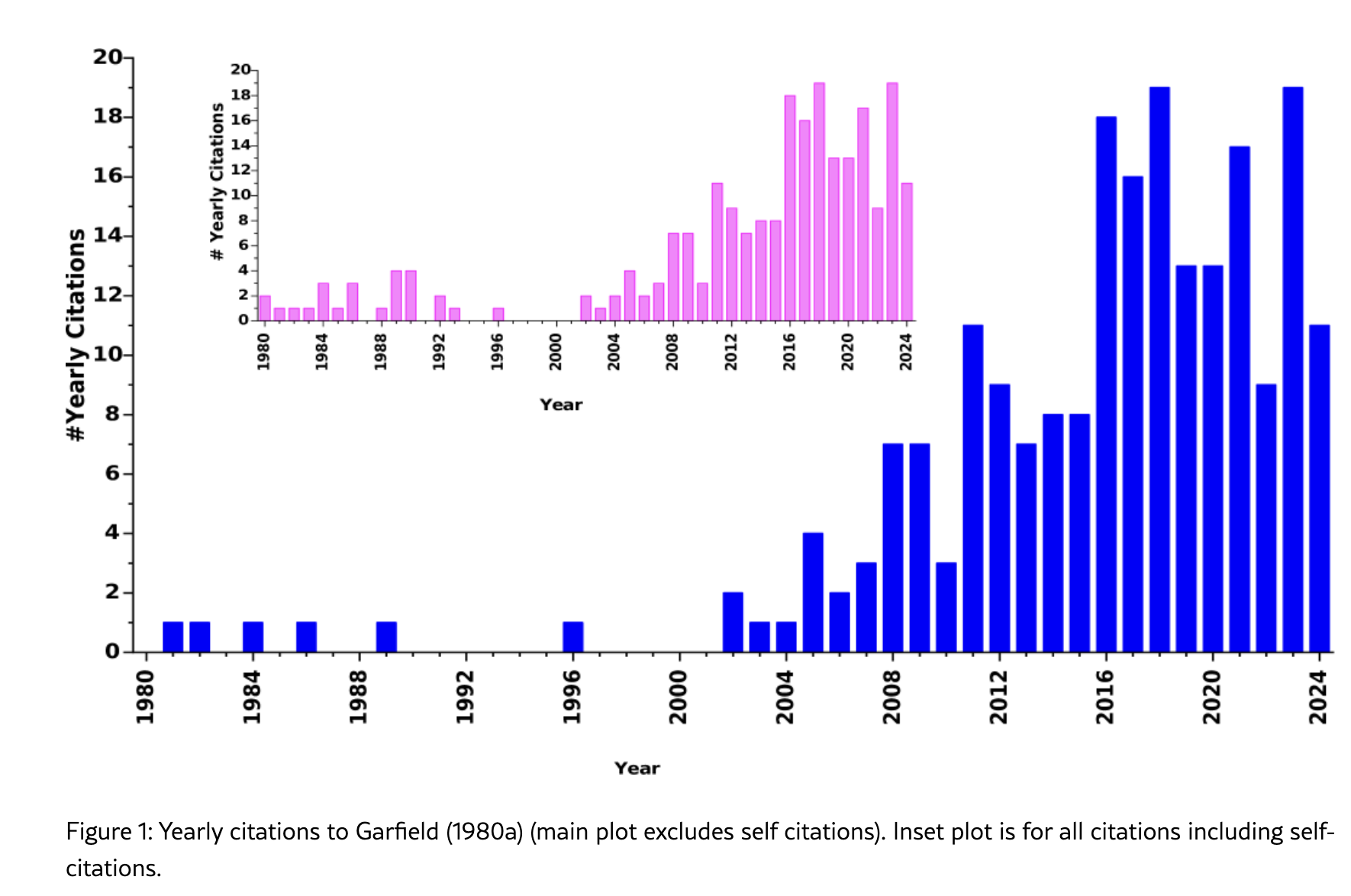
The man who studied delayed recognition, and then suffered it
Eugene Garfield coined 'delayed recognition' for papers the world ignores for years. A 2025 preprint shows his own paper on it sat almost uncited for 28 years.
-
Is your hot streak also your most disruptive streak?
A 2025 study of 21,271 economists finds papers published during a researcher's hot streak are also more disruptive, and the boldest work tends to arrive years before the most-cited work.
-
Small teams disrupt? Maybe it was never about size
A new arXiv preprint argues that collaboration synergy, not team size, drives disruptive science, revisiting the well-known 'small teams disrupt, large teams develop' finding.
-
Is science really running out of disruption?
A 2026 Research Policy paper argues the famous 'science is becoming less disruptive' finding measures the wrong thing, especially in the social sciences.
-
Show up where the conversation is
Two low-effort habits that compound into lasting academic visibility: answer one public question a month where your sub-sub-field actually asks them, and give the same sharp talk many times instead of writing a new one each time.
-
The cold email that gets a reply from a busy researcher
How to write a cold email a busy researcher will actually answer. Real before-and-after teardowns, plus the honesty line most people skip.
-
Email the people whose work you cited
Every paper ships with a built-in list of 30 to 60 people who already care about your topic: the authors you cited. Almost nobody emails any of them. Here is how, and the template to do it.
-
Cold Email Templates for Academic Networking
Access high-conversion academic networking email templates designed to help researchers build genuine co-author relationships and scale citation loops.
-
How to Write an Academic Press Release That Gets Picked Up
Learn how to translate dense scientific papers into an academic press release that captures journalist attention and builds public trust without losing scientific accuracy.
-
Optimizing Research for AI Search Engines (GEO for Academics)
Learn how Generative Engine Optimization (GEO) works for academic publishing. Discover how to structure your papers so AI tools like Perplexity, Elicit, and Google AI cite you first.
-
Best Platforms to Track Research Impact
Compare the best platforms to track research impact, from traditional citation trackers to real-time altmetric engines and proactive distribution systems.
-
The plain-language summary, and how to write one
A 200-word plain-English summary of your paper is the highest-value writing you can do this year. It is the version LLMs quote, reviewers skim, and journalists paraphrase. Here is how to draft one in five minutes.
-
Academic Content Marketing Explained
Learn how to apply academic content marketing principles to your publications to scale your distribution, increase citations, and bypass traditional distribution bottlenecks.
-
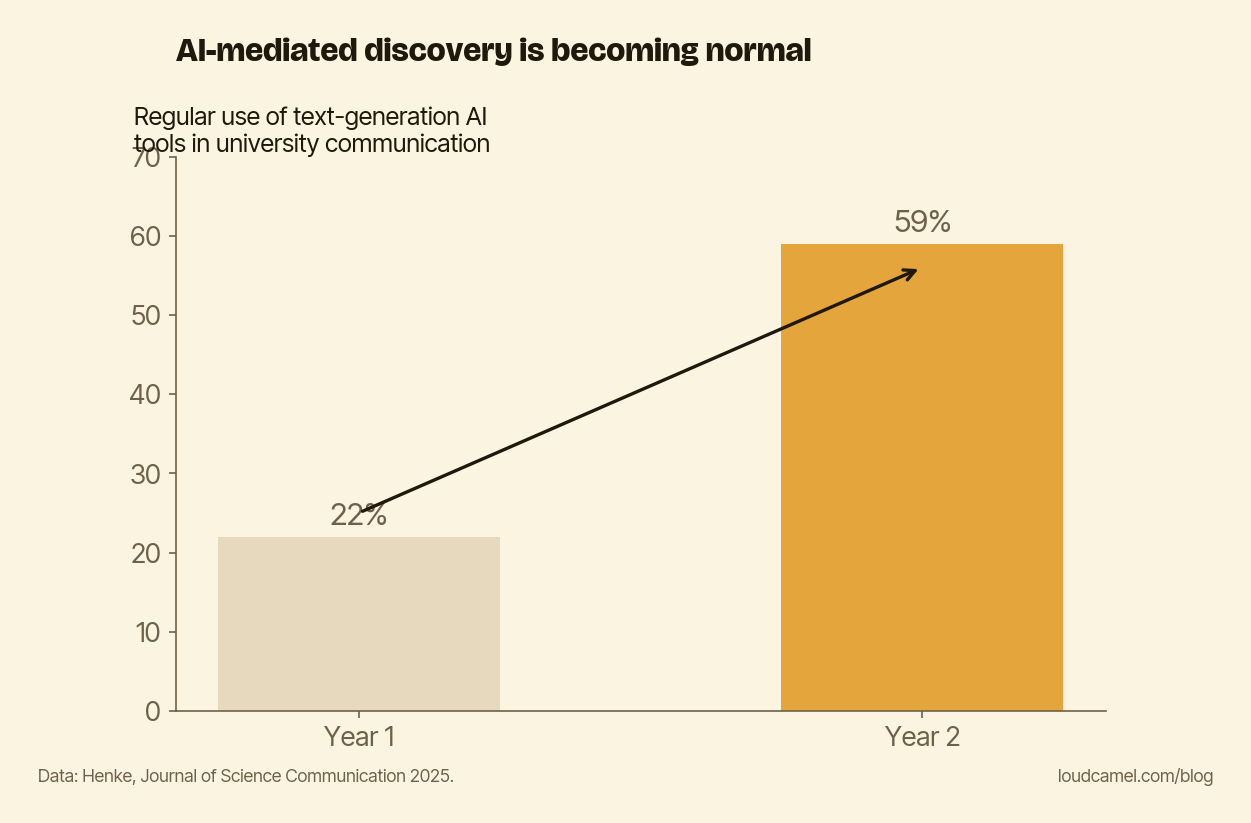
What AI search actually sees when it looks for your work
Discovery is shifting to AI assistants that can only surface text they can parse. Here is how to check whether your research shows up, and how to fix it if it doesn't.
-
How Professors Build Influence Online
Discover how modern professors build an authentic academic personal brand online to unlock international collaboration, driving inbound citations and invitations.
-
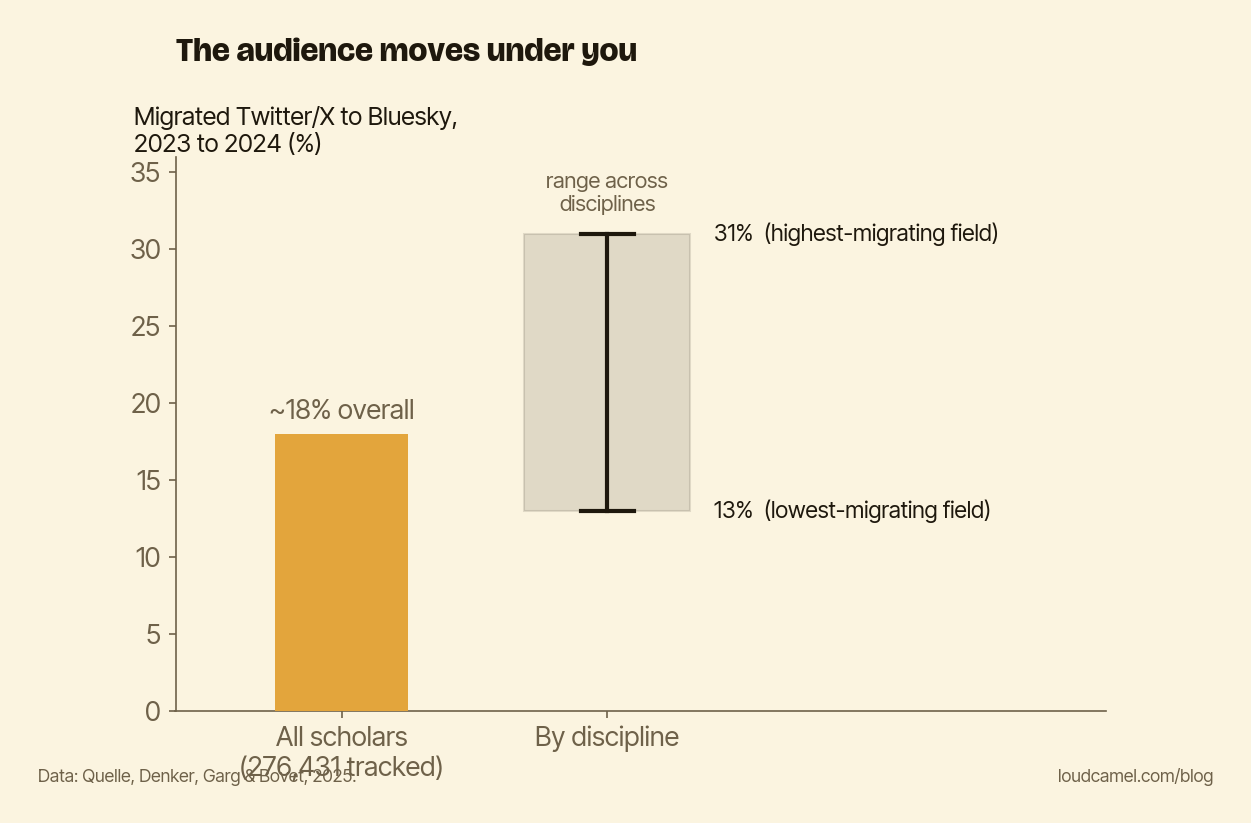
The ground keeps moving: why visibility is maintenance, not a project
A perfect one-time visibility setup still decays, because the platforms that carry your audience keep moving. New data on 276,431 scholars shows how fast the ground shifts, and what to do about it.
-
How Researchers Can Increase h-index Faster
Learn how to increase your h-index faster using a targeted distribution strategy that focuses directly on your publication tipping points.
-
How Visibility Affects Grant Funding
Understand the direct link between research visibility and grants. Learn how review panels evaluate digital footprints to allocate funding.
-
Post the preprint
Preprints get cited earlier and, in many fields, more. The reflex to wait until acceptance is quietly costing you citations. Here is how to stop, and the version cadence that turns one paper into three citation events.
-
15 Ways Researchers Can Improve Citation Rates
Discover 15 actionable, data-backed ways researchers can improve their citation count, build academic visibility, and optimize post-publication distribution.
-
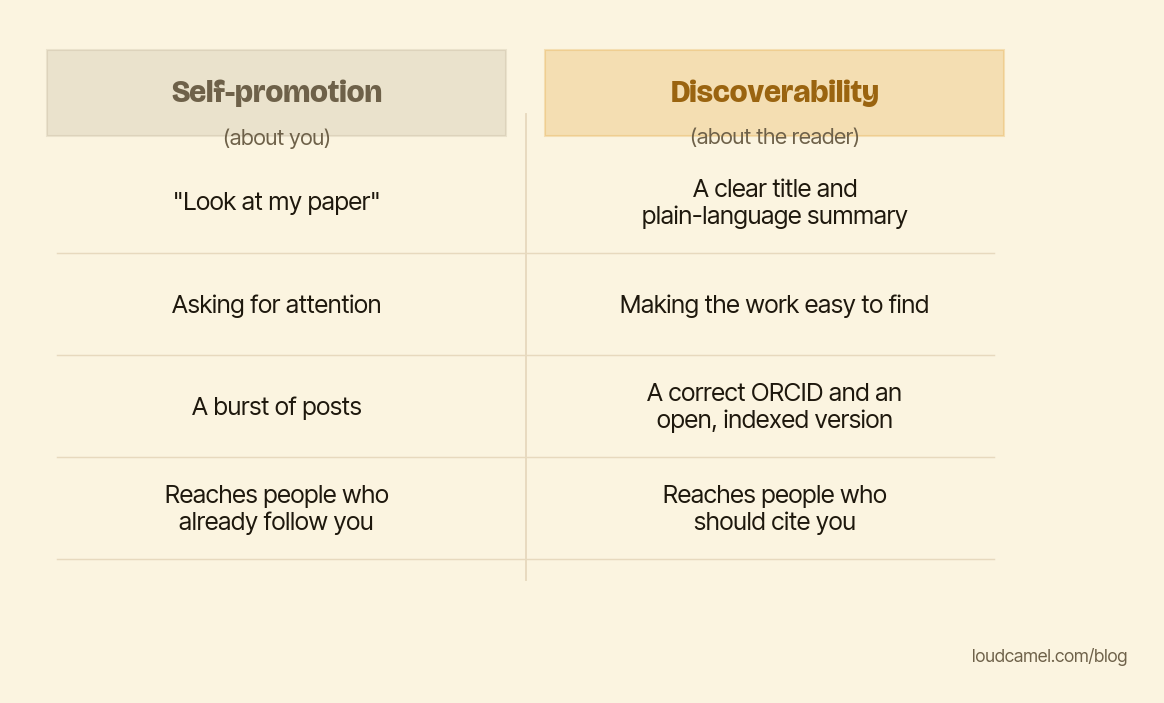
The most effective visibility work doesn't look like self-promotion
If self-promotion feels gauche to you, good news: the highest-payoff visibility work isn't self-promotion at all. It's discoverability infrastructure, aimed at the reader, and you can do all of it without ever bragging.
-
Email Outreach Strategies for Researchers
Master email outreach strategies for researchers. Learn how to draft authentic, highly contextual emails to expand your academic network and build citations.
-
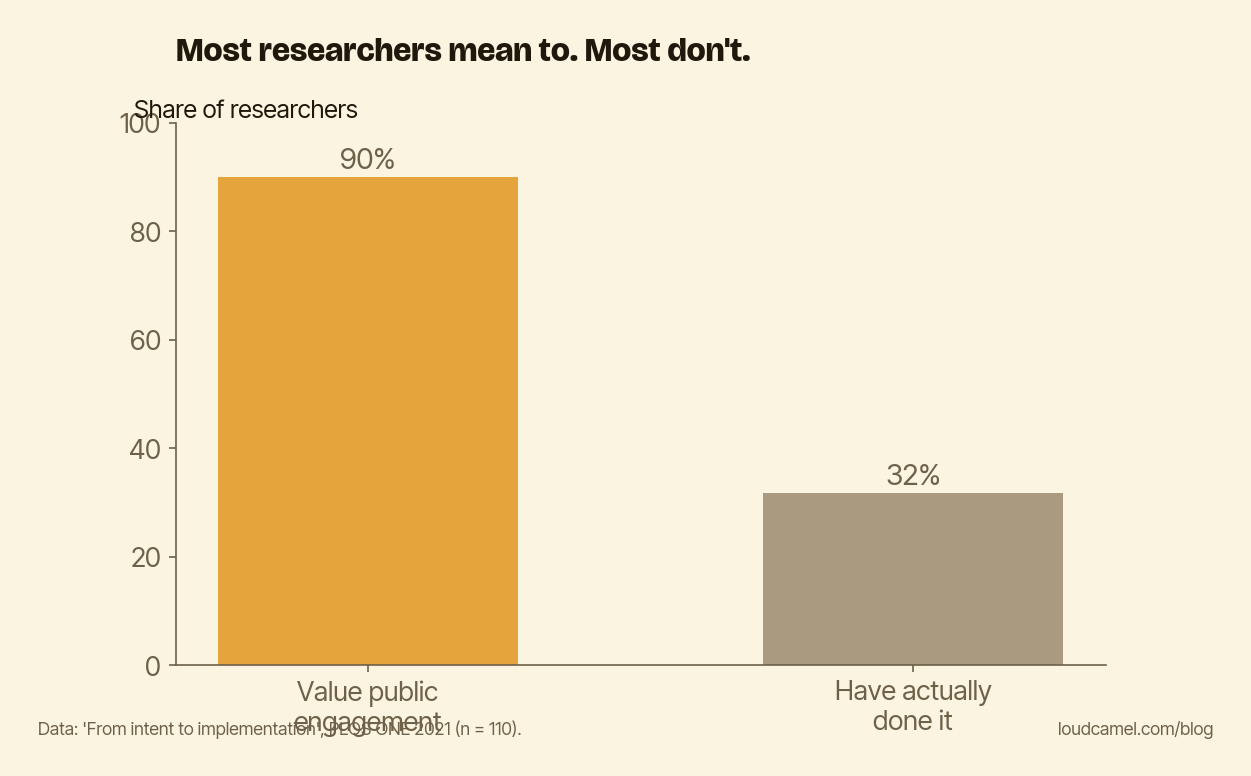
You mean to, and you won't: the intention gap in research visibility
About 90% of researchers value public engagement. About 32% actually do it. The gap isn't willpower, it's the lack of a recurring prompt. Here is the fix.
-
Why Great Research Gets Ignored Online
Discover why excellent academic papers fail to gain citations and how to fix the underlying structural gaps in research discoverability.
-
The Best AI Platform for Research Visibility
Looking for the best AI platform for research visibility? Compare automated discovery layers, agentic networking assistants, and legacy profile repositories.
-
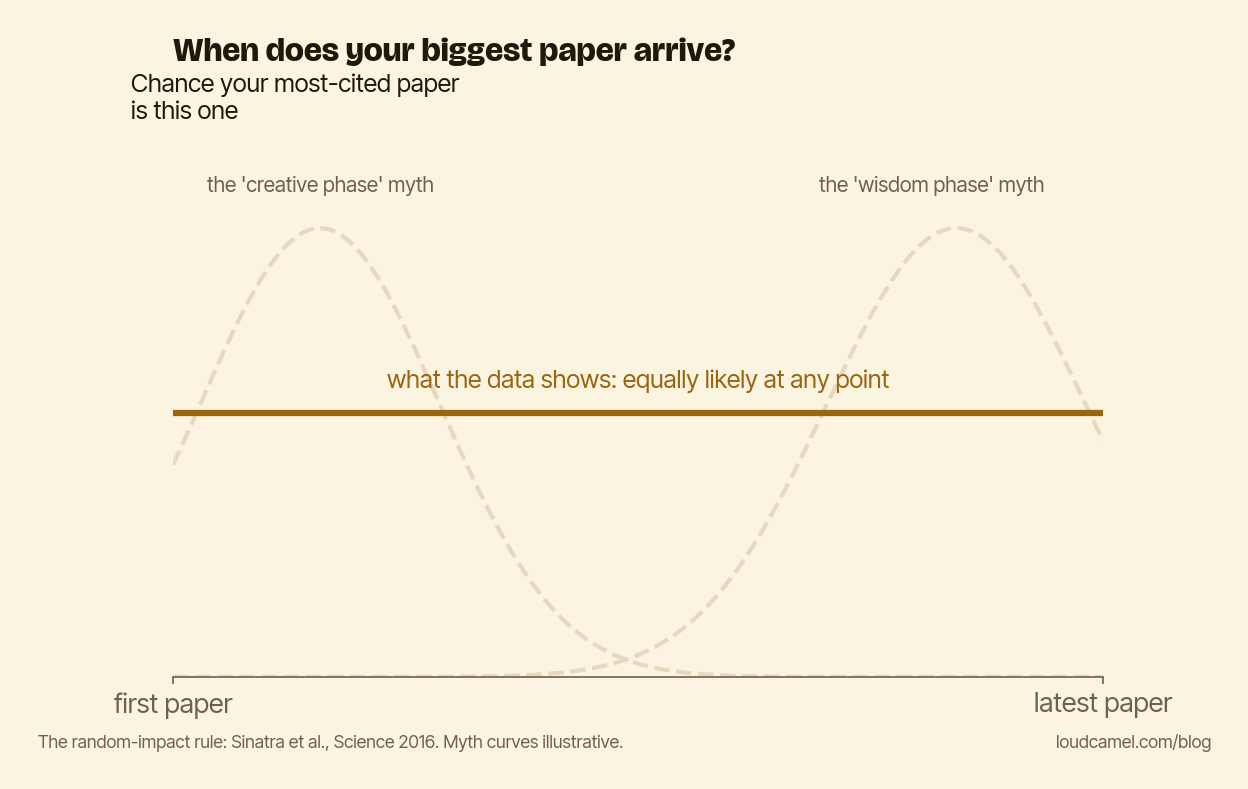
Why your biggest paper hasn't happened yet
The single biggest paper of a scientific career lands at a random point in it, and the only requirement is that you were still publishing when it arrived. Here is why that means you should not quit.
-
Best Research Distribution Platforms Compared
Compare the best research distribution platforms. Learn the key differences between passive repository profiles and active outreach infrastructure.
-
How AI Can Increase Academic Citations
Discover how AI-powered research distribution and Generative Engine Optimization (GEO) can dramatically increase your academic citations and h-index.
-
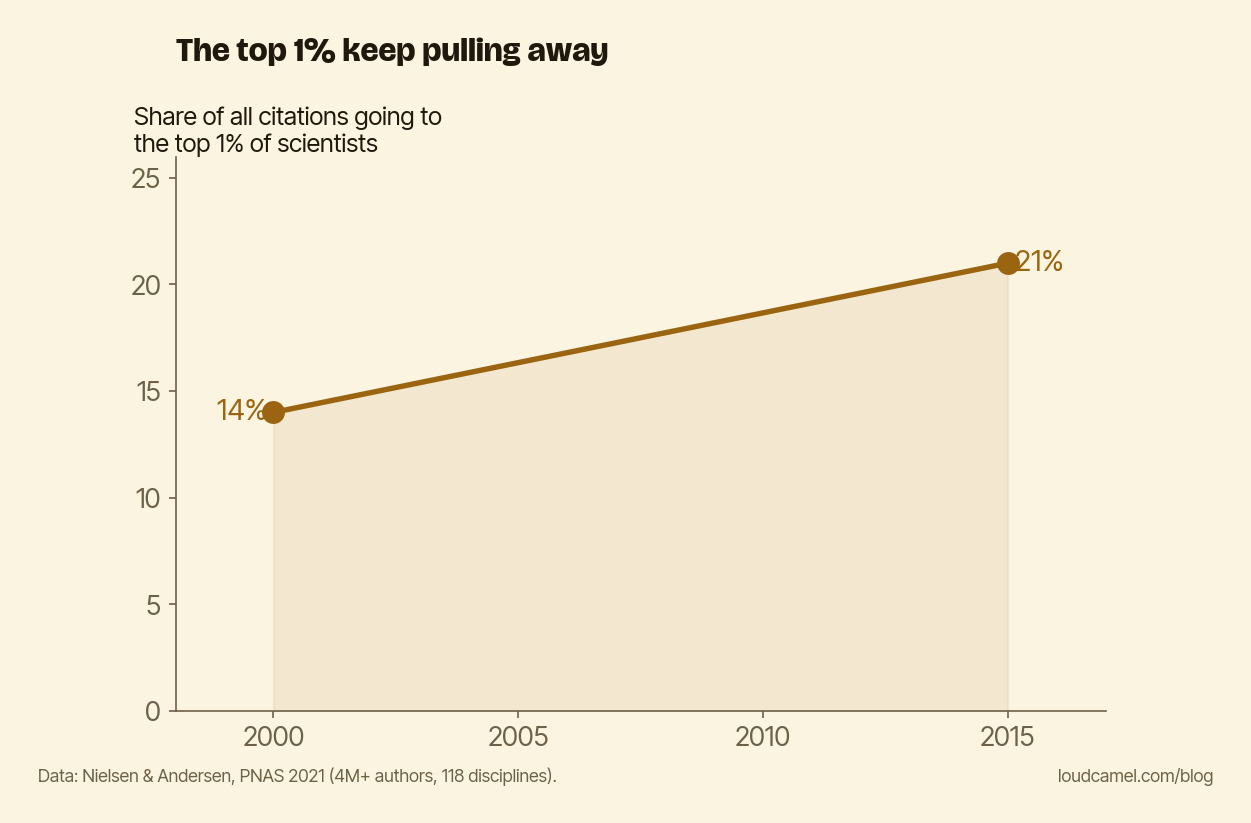
Citation inequality is widening, which is why 'above average' isn't the target
By 2015 the top 1% of scientists captured 21% of all citations, up from 14% in 2000. As attention concentrates, being good enough guarantees nothing. Here is why deliberate visibility matters more every year.
-
Your research posts shouldn't sound like everyone else's: meet Content Studio
Most AI writing tools produce generic, findable-by-nobody text in a voice that isn't yours. Content Studio learns your writing, anchors on your takeaways, and ships every format in one run.
-
LinkedIn Strategies for Academic Researchers
Master LinkedIn for researchers in 2026. Learn how to share your academic work, build a global peer network, and drive citations.
-
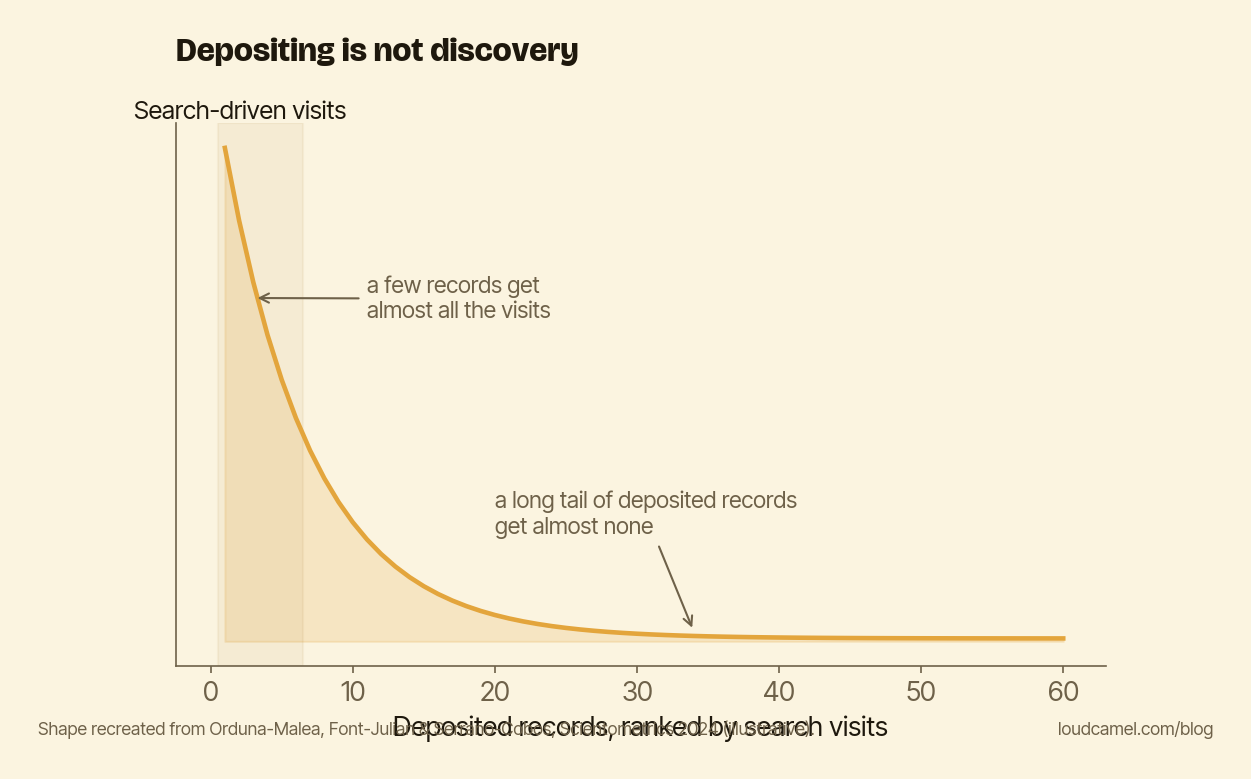
Deposit it and they will not come: open access isn't the same as discovery
A study of 217,589 repository records found that visits are brutally skewed: a few records get almost everything, most get almost nothing. Uploading is necessary. It is nowhere near sufficient.
-
Altmetrics vs Citations: What Matters More?
Altmetrics vs citations: what each one measures, how skewed altmetric attention really is by field, how funders read it, and how to optimize for both.
-
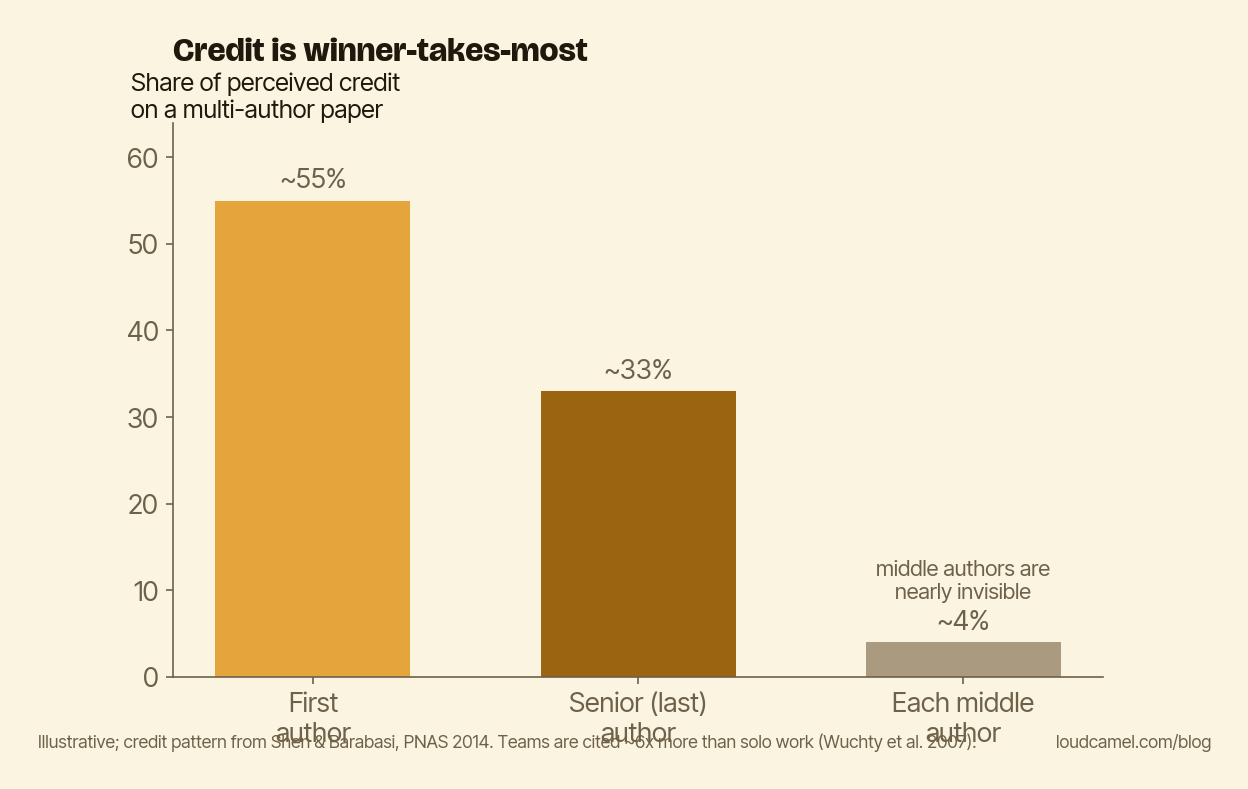
The credit problem in team science
Teams produce most of the research impact, but one author takes most of the credit. If you are a middle author, the publication itself will not make your contribution visible. Here is what to do about it.
-
Personal Branding for Researchers: The Complete Guide
Discover how to build a modern academic personal brand to increase research visibility, unlock grant opportunities, and expand your scholarly network.
-
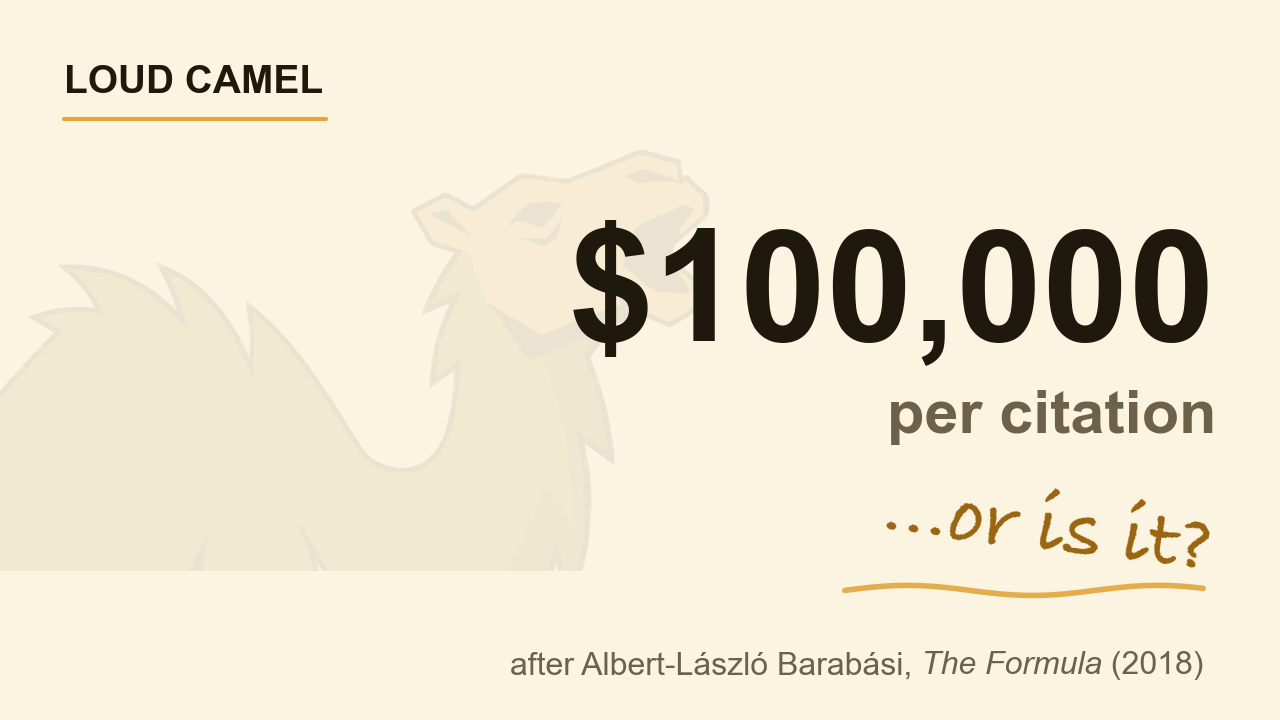
Where is my $400,000?
Barabási's The Formula prices a citation at about $100,000. That number is an average over a power-law distribution, so most citations are worth far less and a few are worth fortunes. What your next citation is worth depends on where you sit.
-
How to Promote a Research Paper After Publication
A complete guide to promoting research papers after publication using targeted academic outreach, digital distribution, and AI visibility strategies.
-
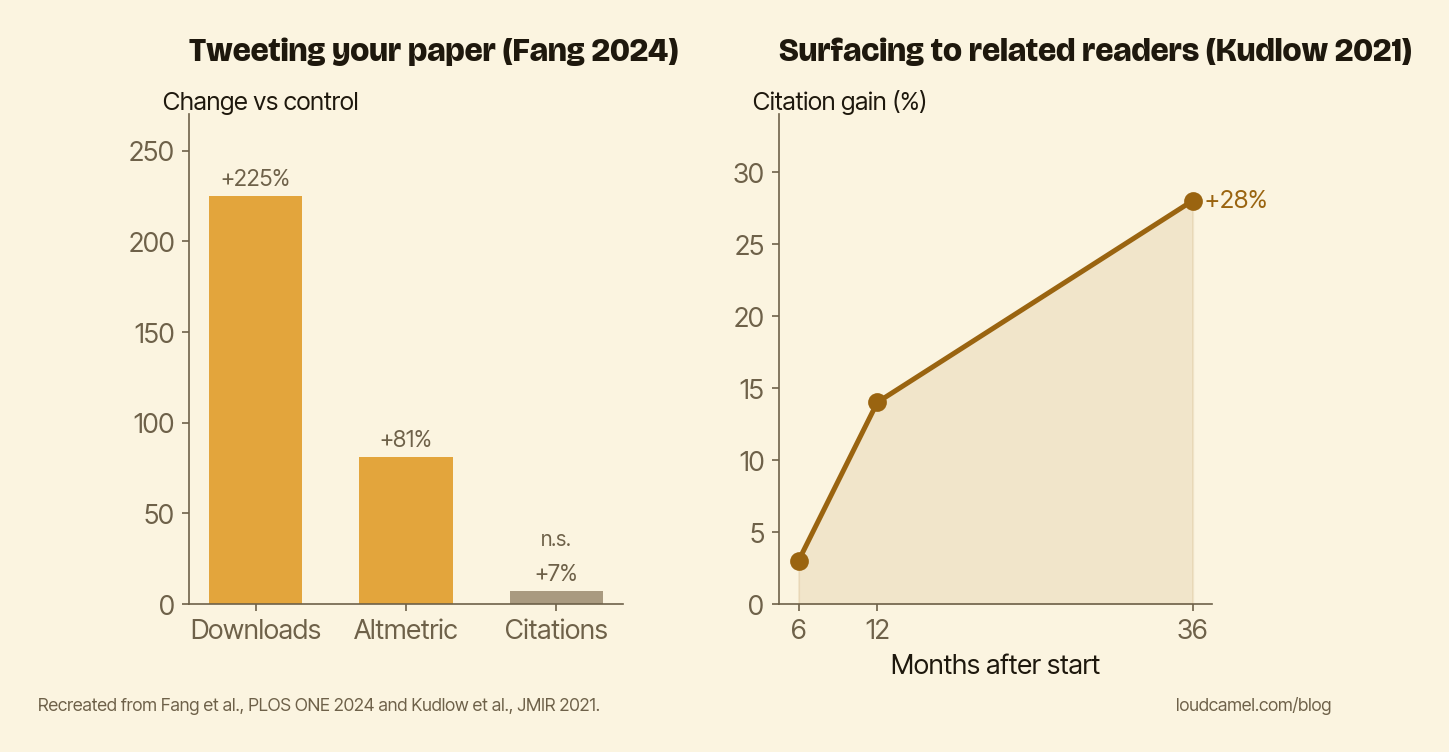
Findability isn't spray-tweeting: the honest case for promoting your work
A 2024 randomized trial showed that tweeting your paper buys downloads, not citations. So here is the honest version of the case for promotion: be findable, don't broadcast.
-
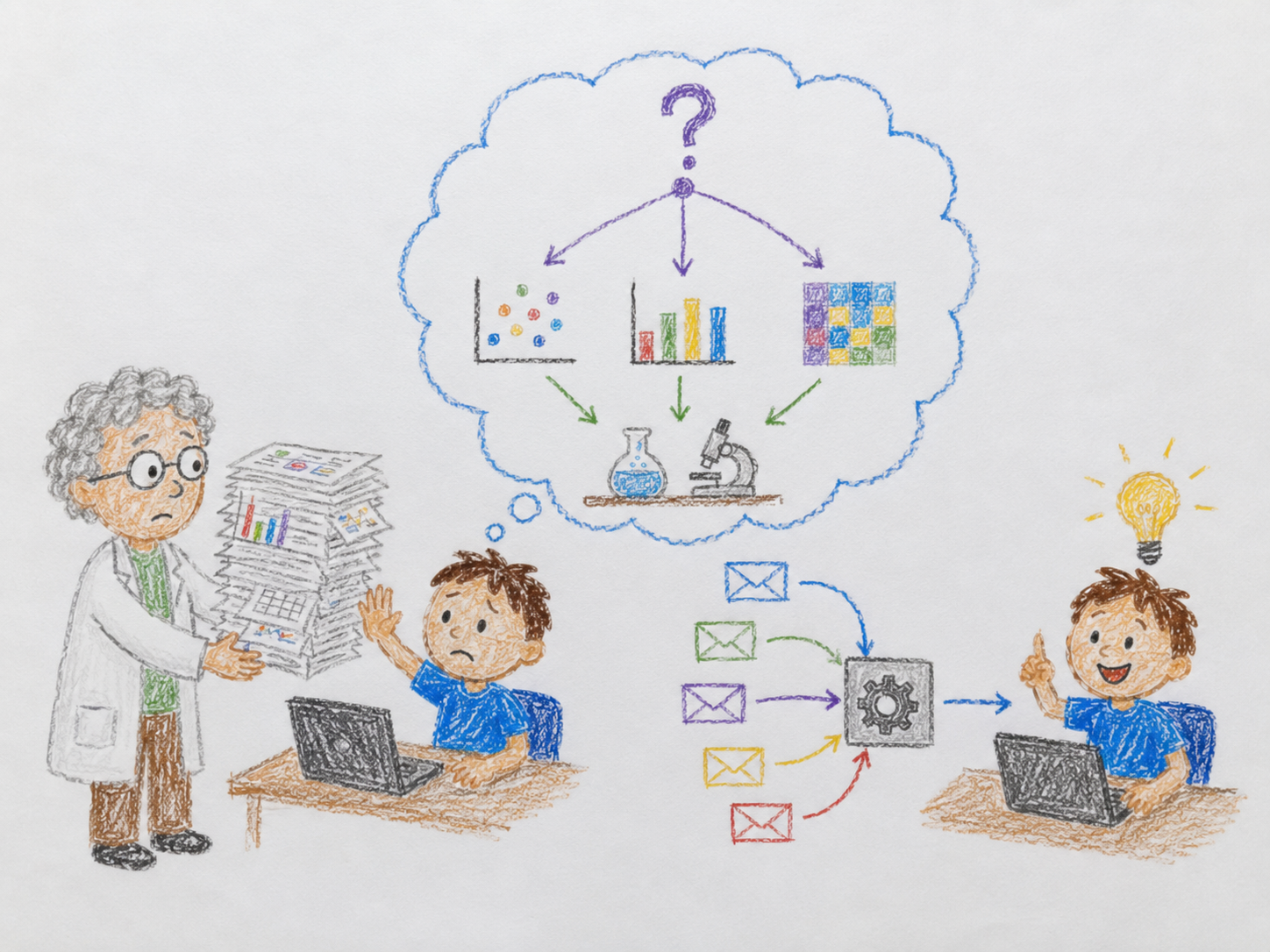
Stop telling me what to do. Tell me what you want to know.
Most research-visibility work changes nothing. A six-year analysis that ended in one question, and how to tell which visibility tasks are worth doing.
-
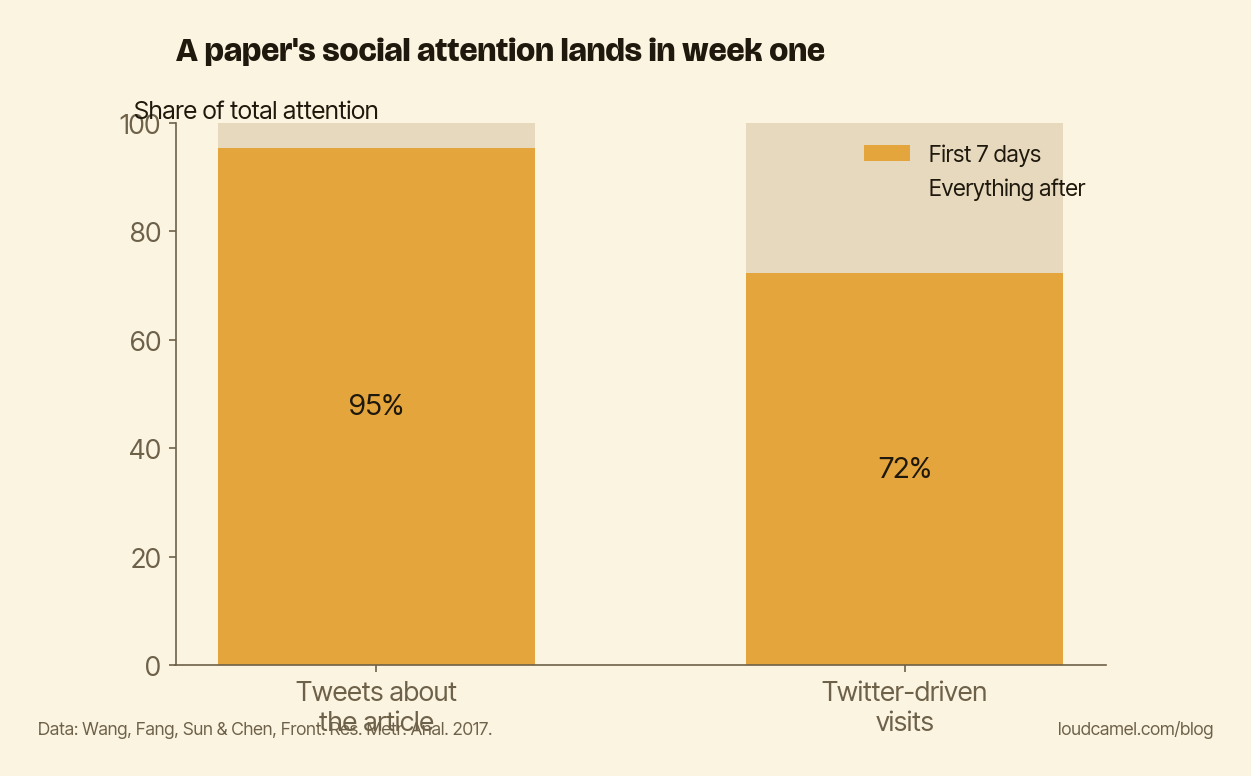
Your one-week spike: why posting once doesn't keep your work visible
95% of the tweets about a paper happen in its first seven days. A single launch post is a one-week event, not a strategy. Here is what to do instead.
-
Google Scholar SEO: How Researchers Get Found
Learn how Google Scholar SEO works and how researchers can optimize papers, citations, and metadata for better discoverability.
-
Best AI Tools for Academic Researchers
Discover the best AI tools for researchers in 2026, including platforms for literature review, visibility, citation growth, and academic productivity.
-
How to Increase Research Visibility in 2026
Learn how researchers can increase visibility, citations, and academic impact using AI-driven distribution and modern research promotion strategies.
-
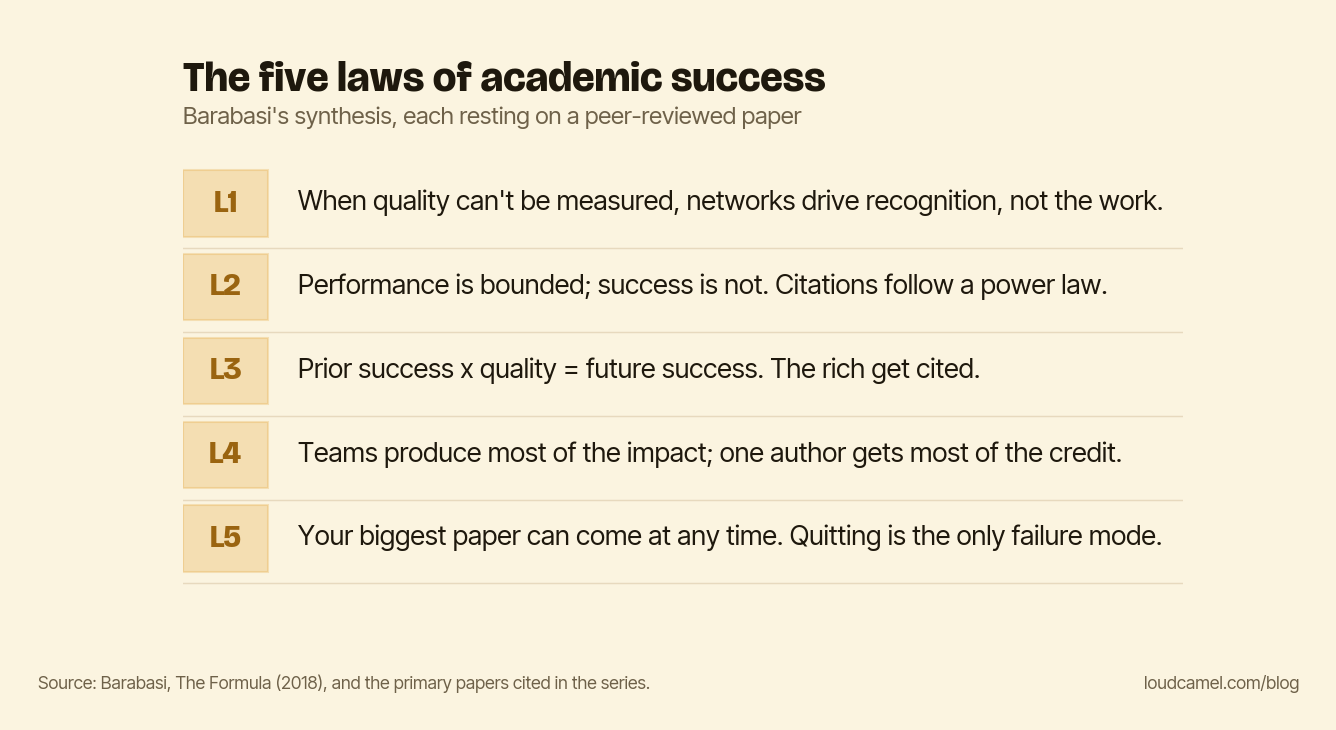
How academic careers actually work
Nobody trains you for the half of academic work that decides your career: making sure the right people know your work exists. Here is why that is a feature of the system, not a bug, and the fourth way to respond to it.
-
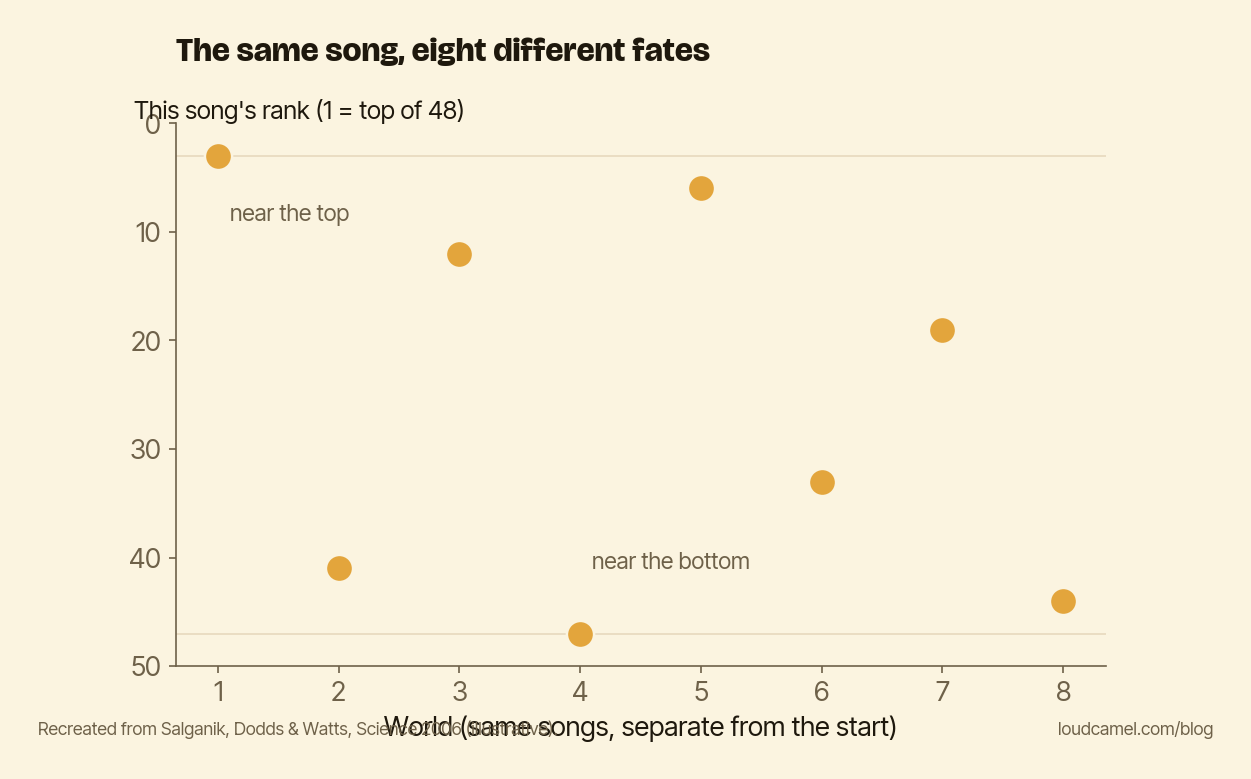
Same song, different universe: what a music experiment says about your citations
A 2006 music experiment ran the same songs through eight parallel worlds. The same track was a hit in one and a flop in another. Here is what that says about why some papers get cited and others vanish.
-
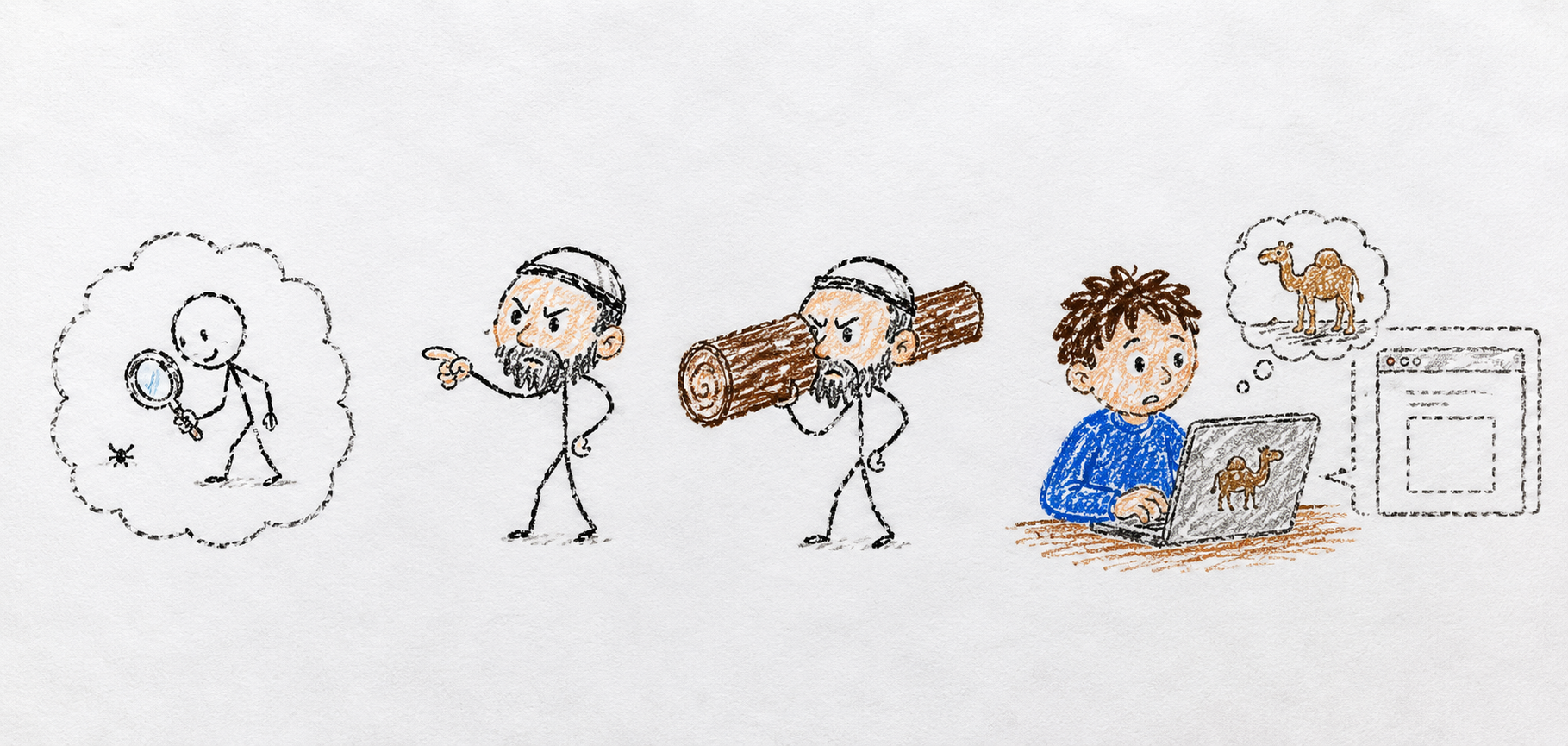
Your worst blind spot is the thing you are best at
Your worst blind spot hides in the skill you are most expert at. A layoff, a Talmudic line about the beam in your own eye, and how to go looking for what you cannot see.
-
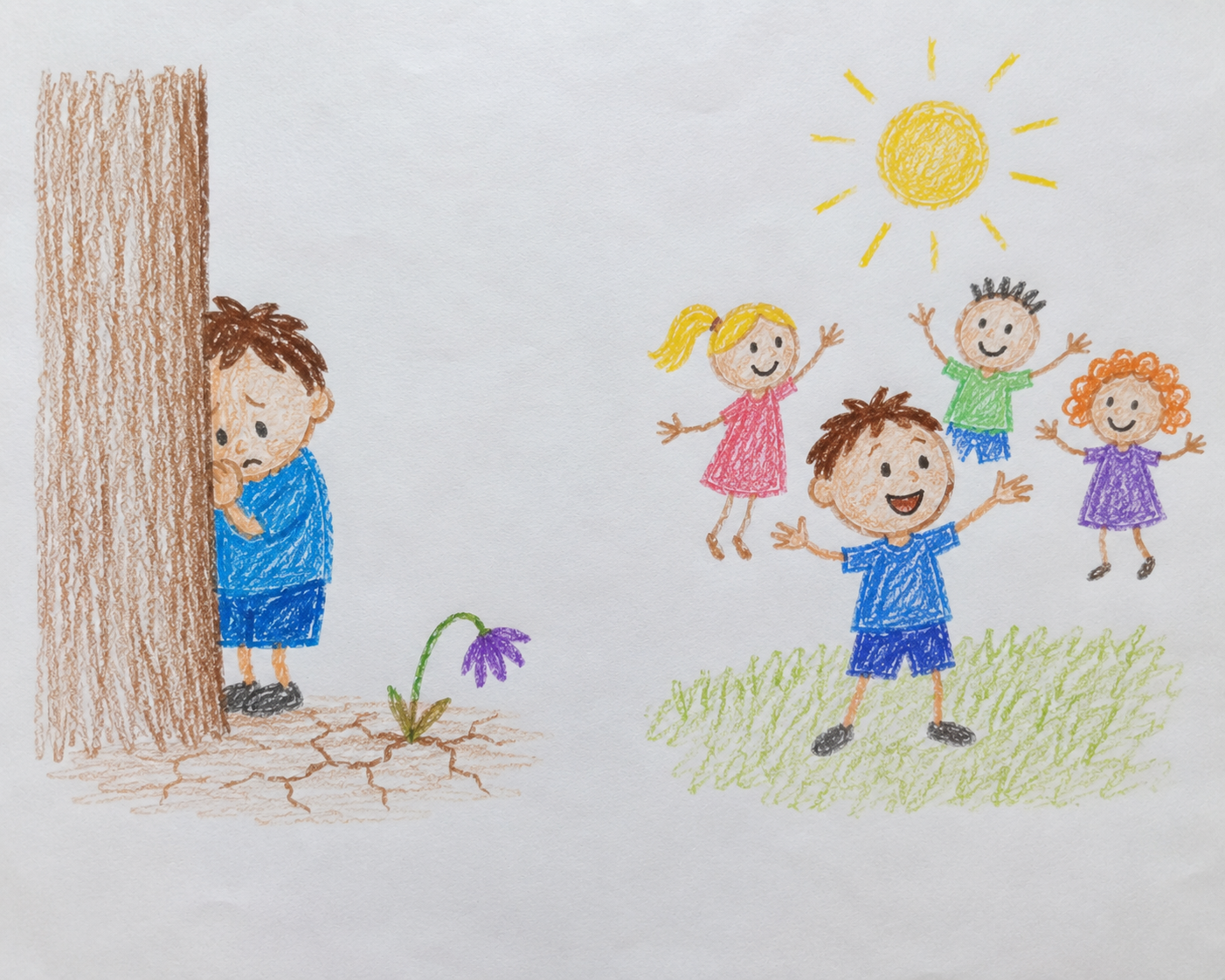
She could've been Erdős-1, but she was shy
She turned down a paper with Paul Erdős because she was too shy. On the gender gap in self-promotion, why visibility is part of the job, and how to leave a trail without bragging.
-
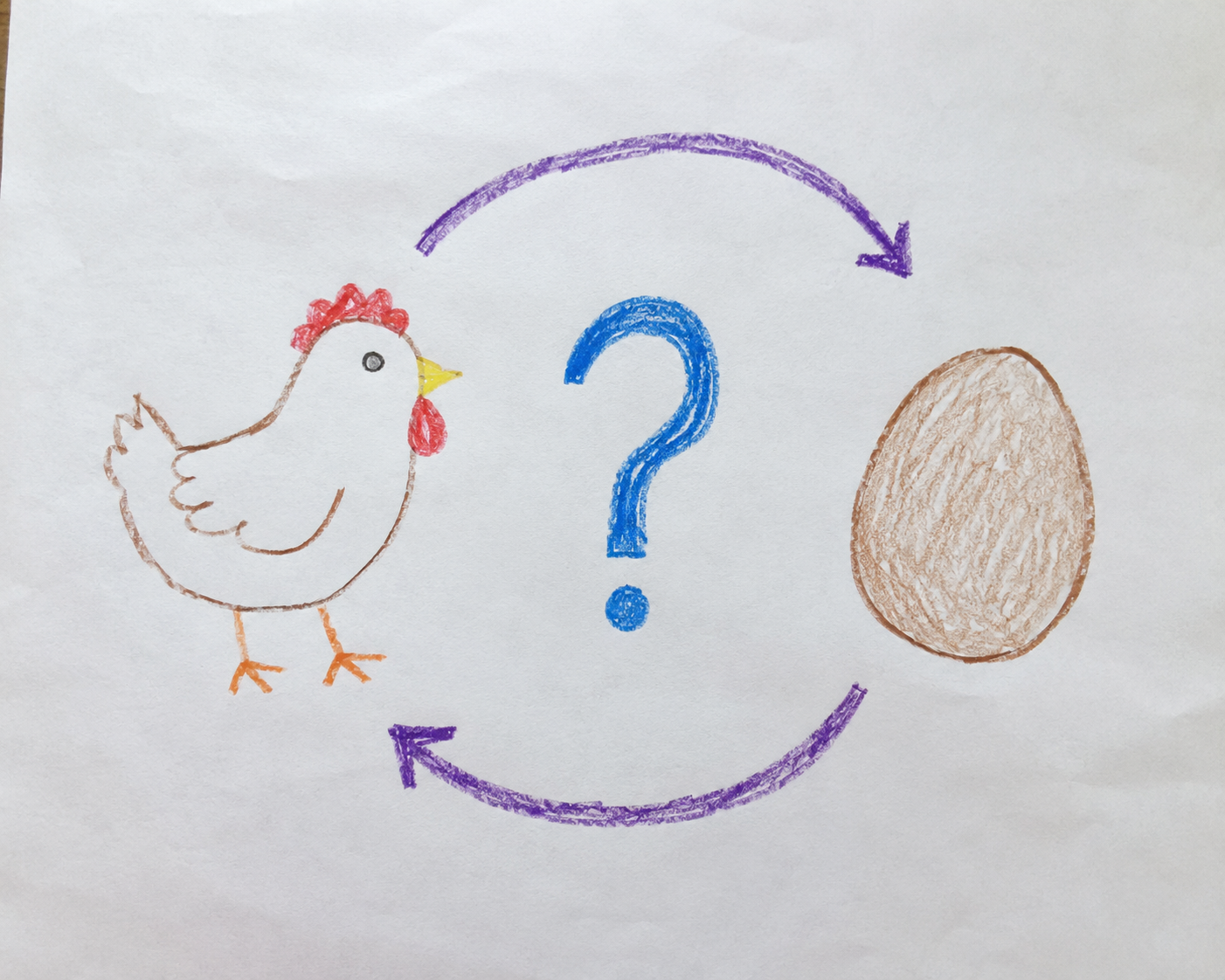
It's not the Matthew effect. It's the Daniel effect.
Early success predicts later success — Merton called it the Matthew effect. Why AI doesn't level the field the way it appears to, and what to do about a cold start with no audience.
-
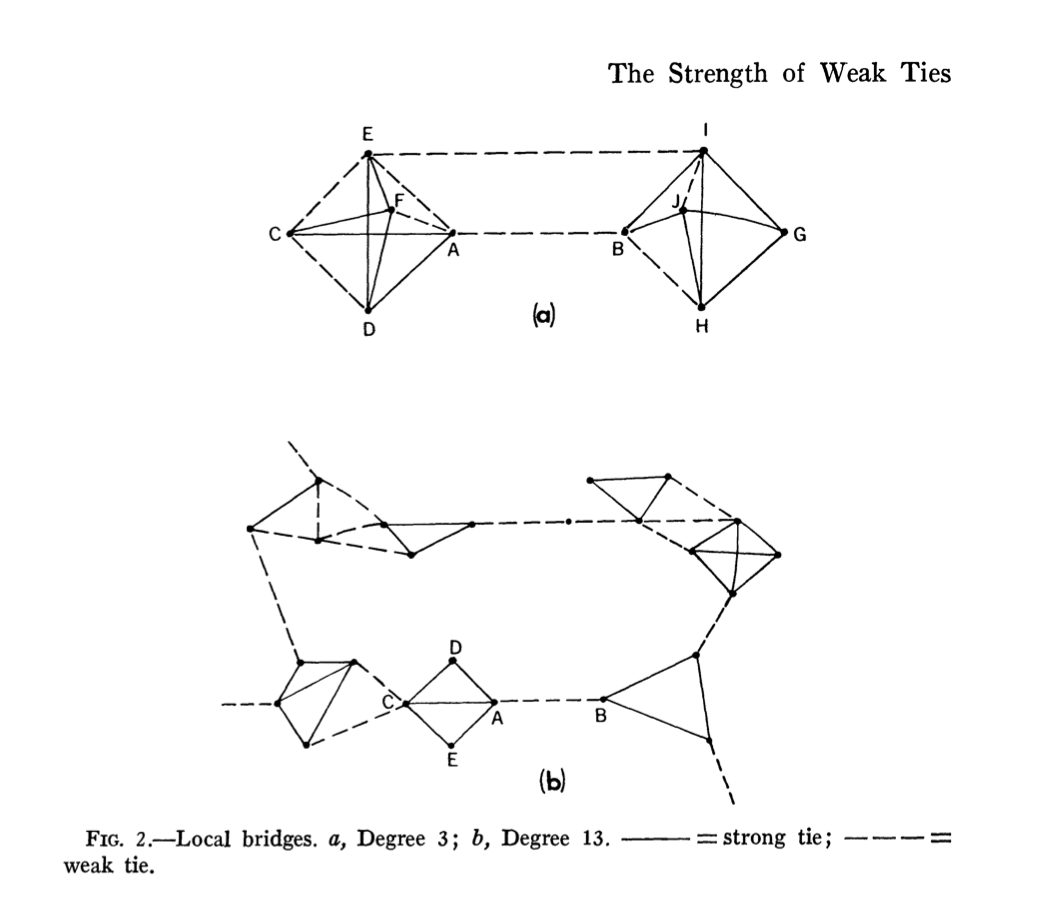
Why your acquaintances, not your closest friends, bring you the next opportunity
Granovetter's 'strength of weak ties': most useful job leads come from acquaintances you see rarely, not your closest circle. How to put yourself near the next opportunity.
-
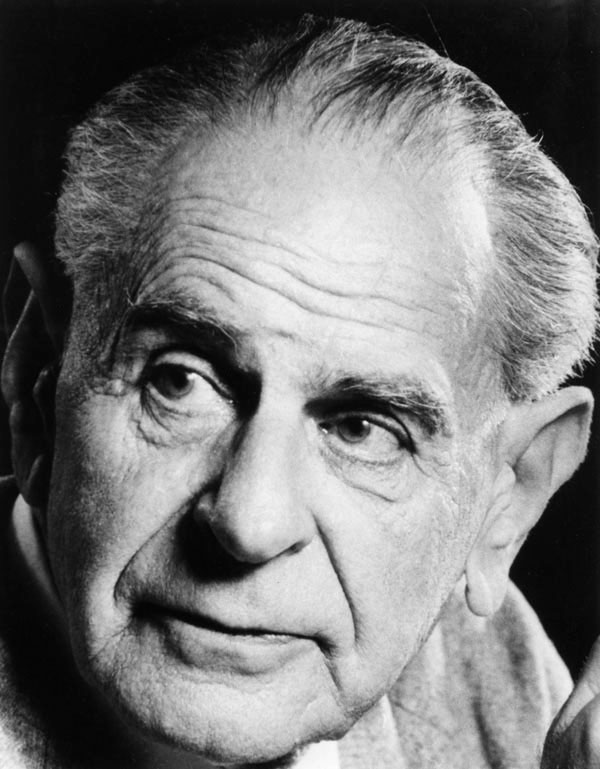
Is it ethical to use AI to promote your research?
Is it ethical to use AI to promote your research? The case that it is unethical not to — because if careful researchers stay quiet, the reckless inherit the microphone.
-
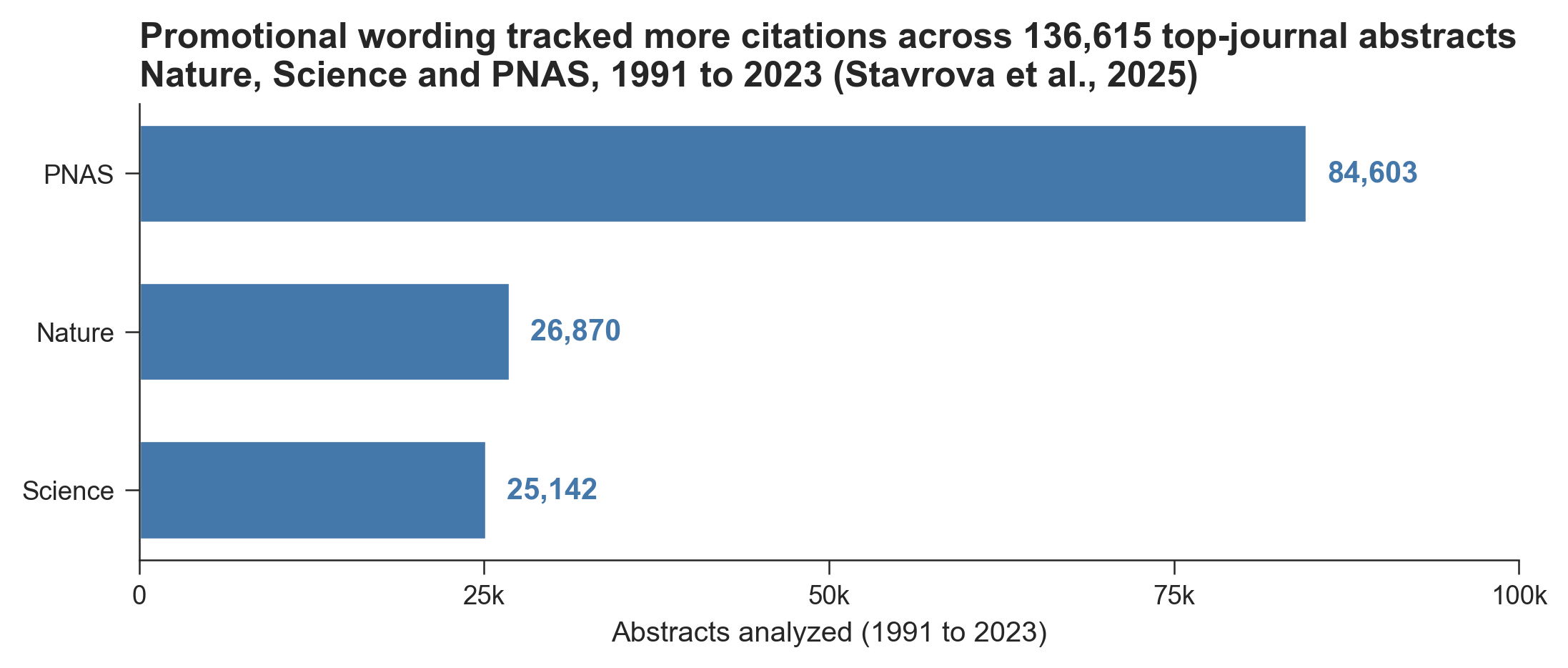
Why the wording of your abstract affects how often you get cited
A 136,615-paper study found that abstracts with more promotional language drew more citations, views, and media coverage — even within Nature, Science, and PNAS.
-
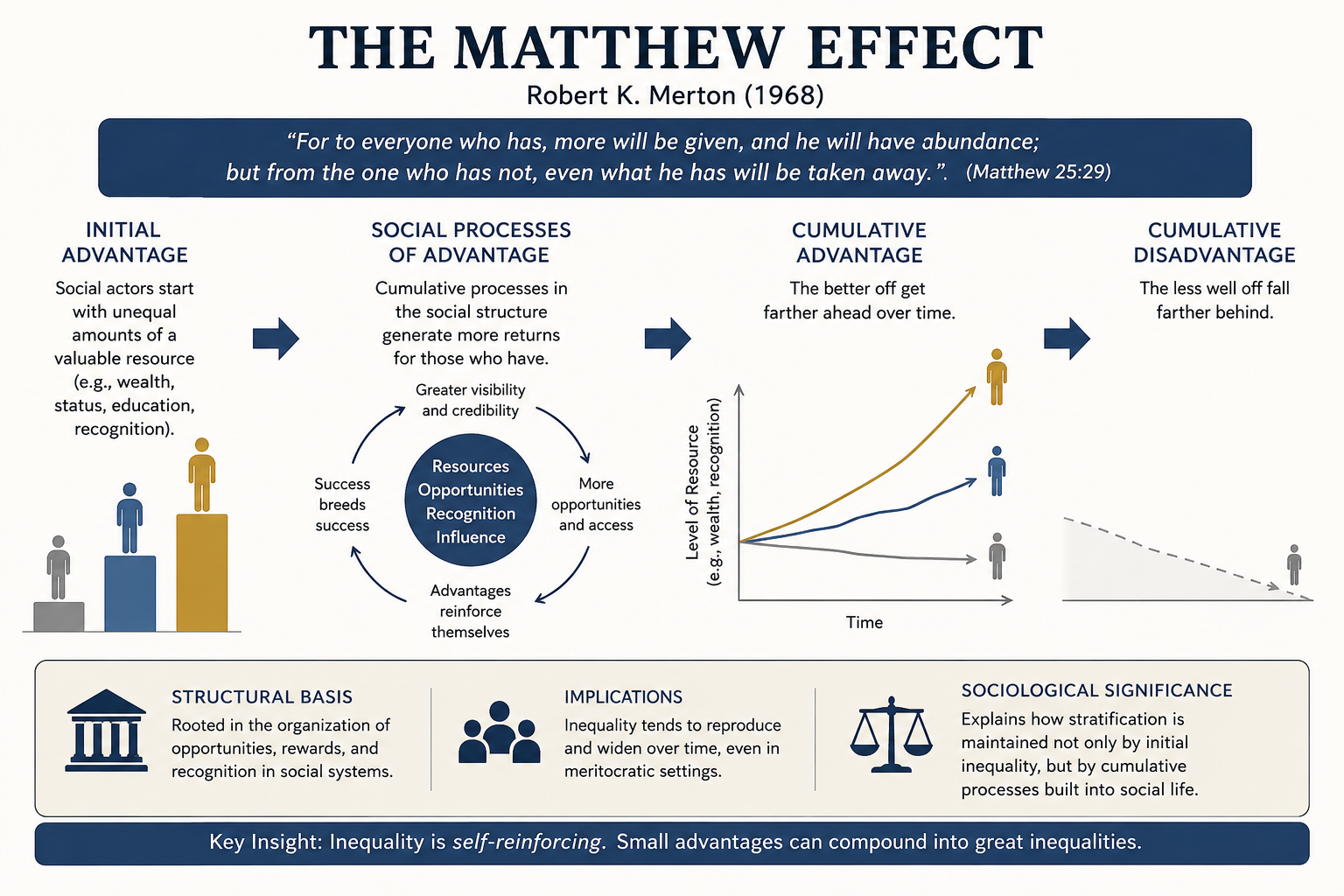
LLMs sharpen the Matthew effect in citations
LLMs asked to suggest references favor already-highly-cited papers, reproducing the Matthew effect in citations. Treat the first references a model suggests as a starting list, not the final one.
-
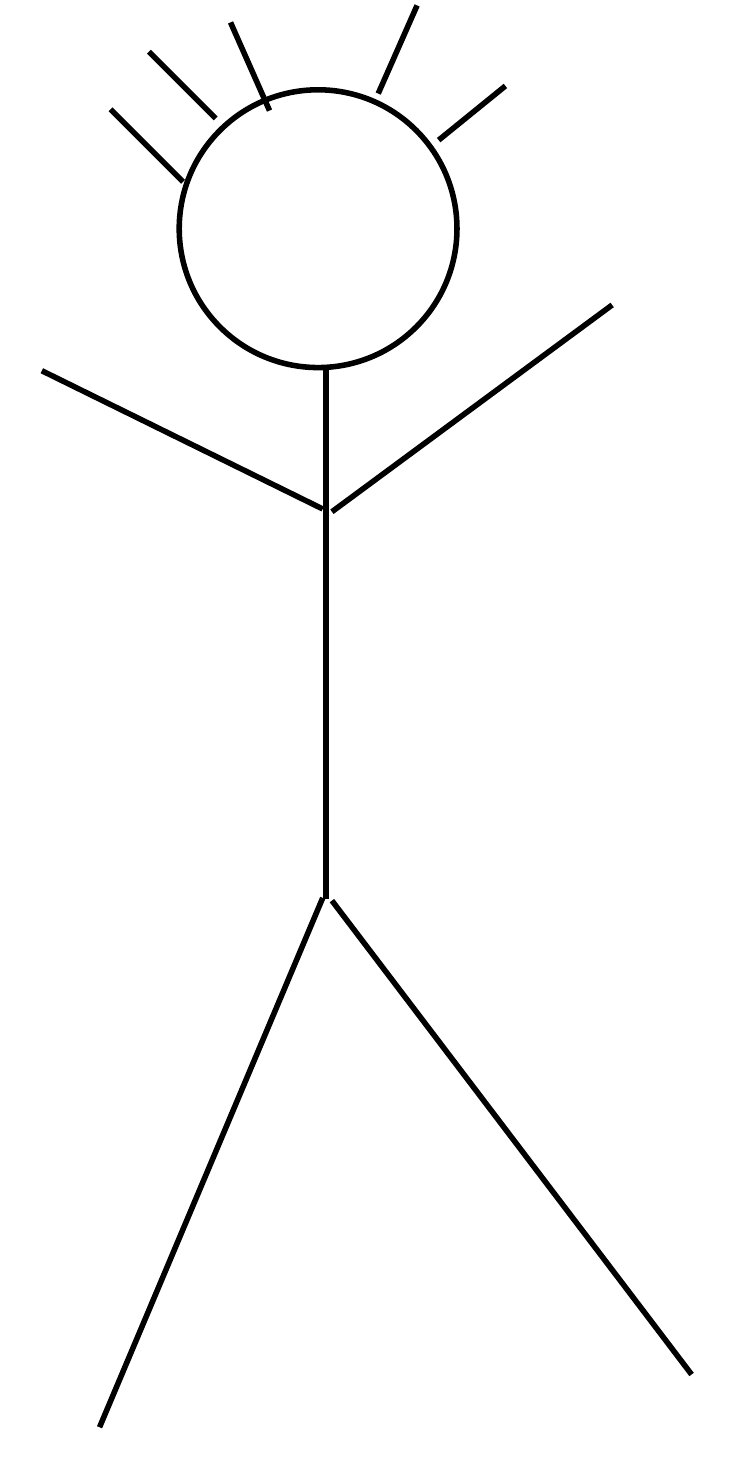
An Illustrated Guide to Academic Publishing
An illustrated story of how a paper is born — and why, among five million papers a year, most are read by almost no one. The problem is rarely quality; it is visibility.
-
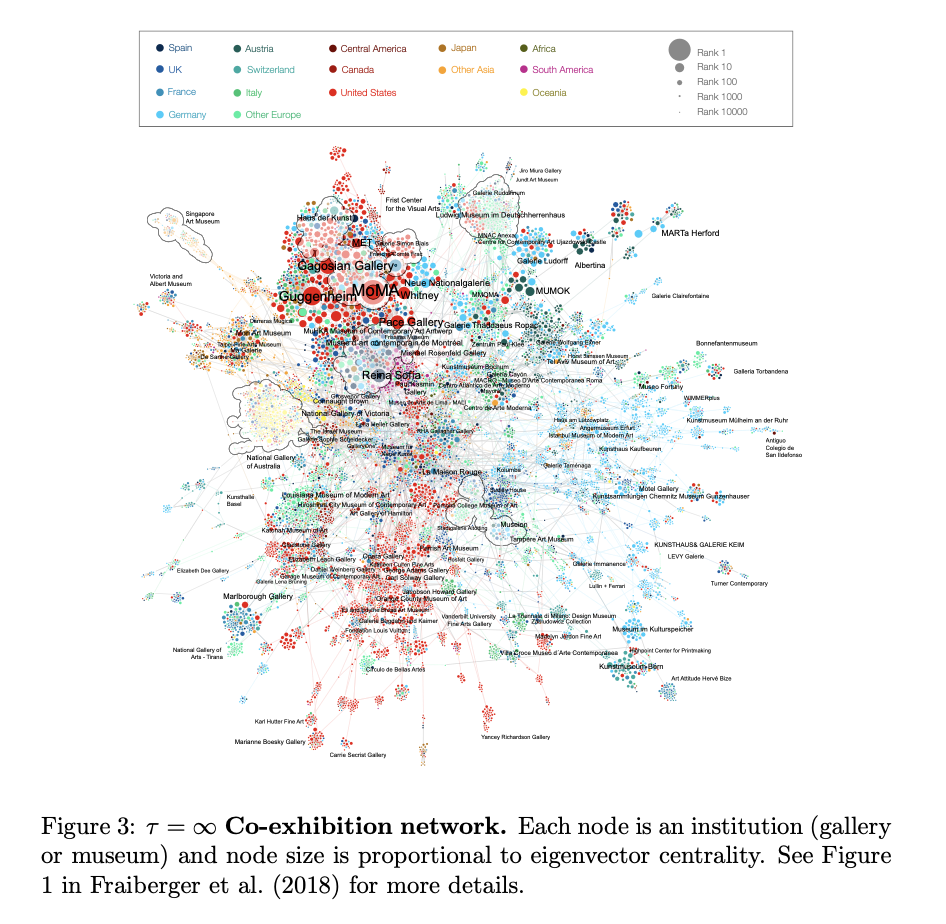
Where you debut probably decides where you stay
A network study of nearly 500,000 artists shows the first five exhibitions predict the next thirty. The same gatekeeper dynamics shape any institutional career — choose your first move carefully.
-
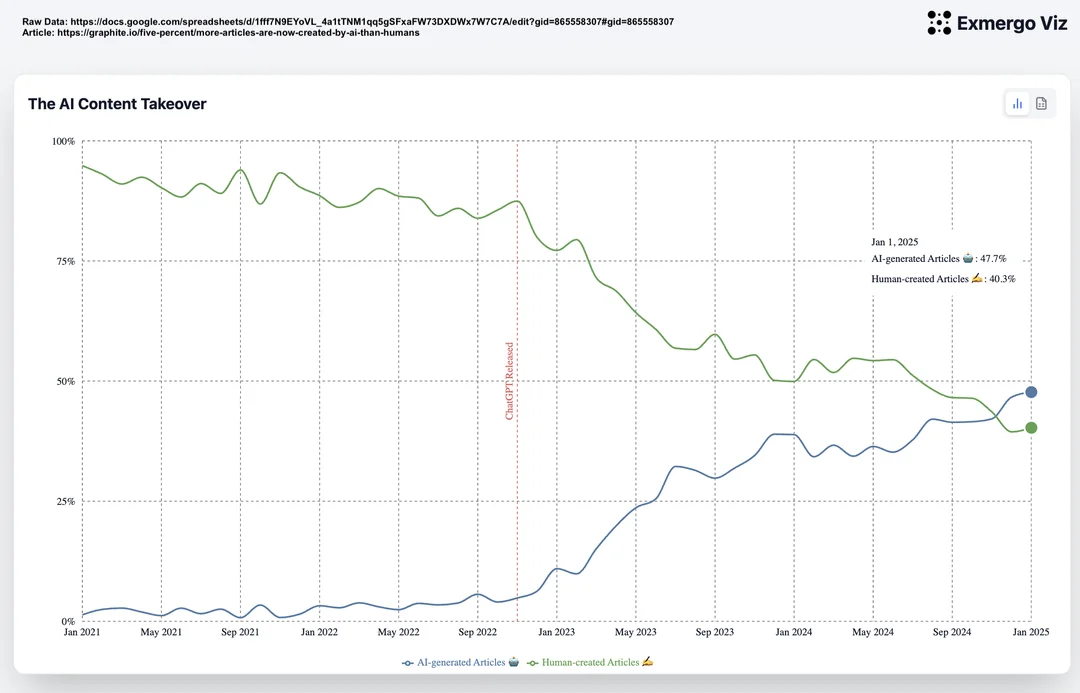
AI Articles Overtook Human Articles. That Is Not Automatically Bad
AI-generated articles now outnumber human-written ones. That is a shift in production, not an automatic decline — the leverage moves from writing to filtering and quality signals.
-
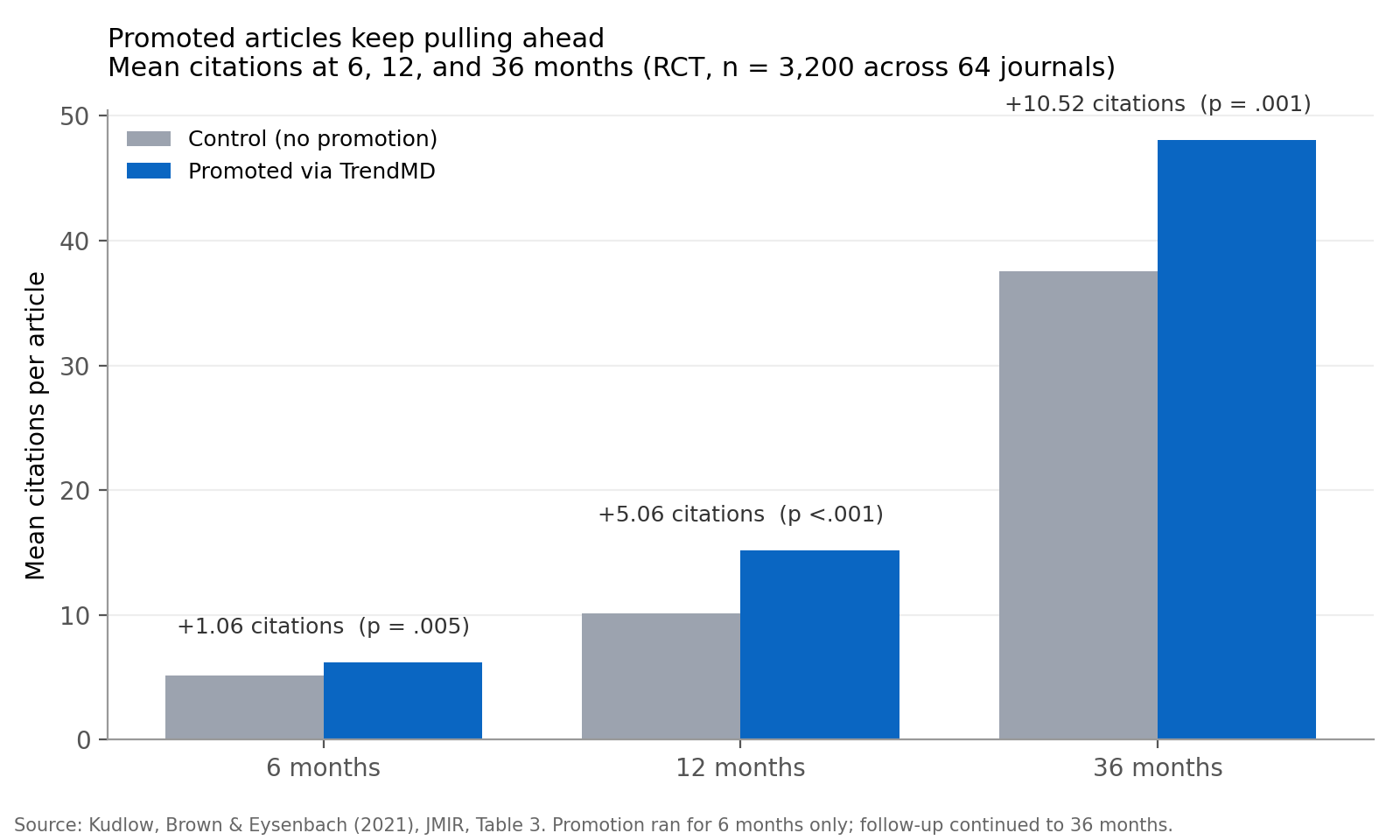
Promoted papers keep pulling ahead: what the Kudlow RCT looks like at 36 months
A randomized controlled trial (Kudlow, Brown & Eysenbach, JMIR 2021) shows six months of cheap paper promotion produced a citation gap that kept widening for three years after the promotion stopped.